
Common Soccer Injuries in Kids: Prevention and Next Steps
NEXO FC
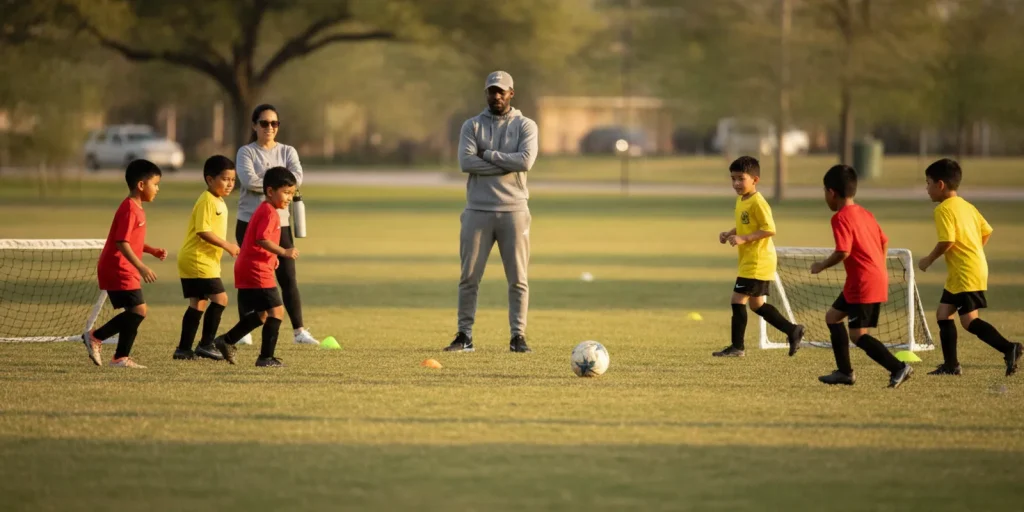
Common soccer injuries in kids can range from a brief bruise to a problem that needs prompt medical attention. Knowing what to watch for helps parents respond calmly, support a young player, and avoid turning a small concern into a bigger one. Soccer asks children to sprint, stop, turn, kick, jump, and sometimes collide, so the legs and feet often take the most strain. But injuries are not always easy to identify from the sideline, and a child may minimize pain because they want to keep playing. This guide covers common injury patterns, prevention habits, and sensible next steps. It is general information, not a diagnosis or a substitute for care from a qualified health professional.
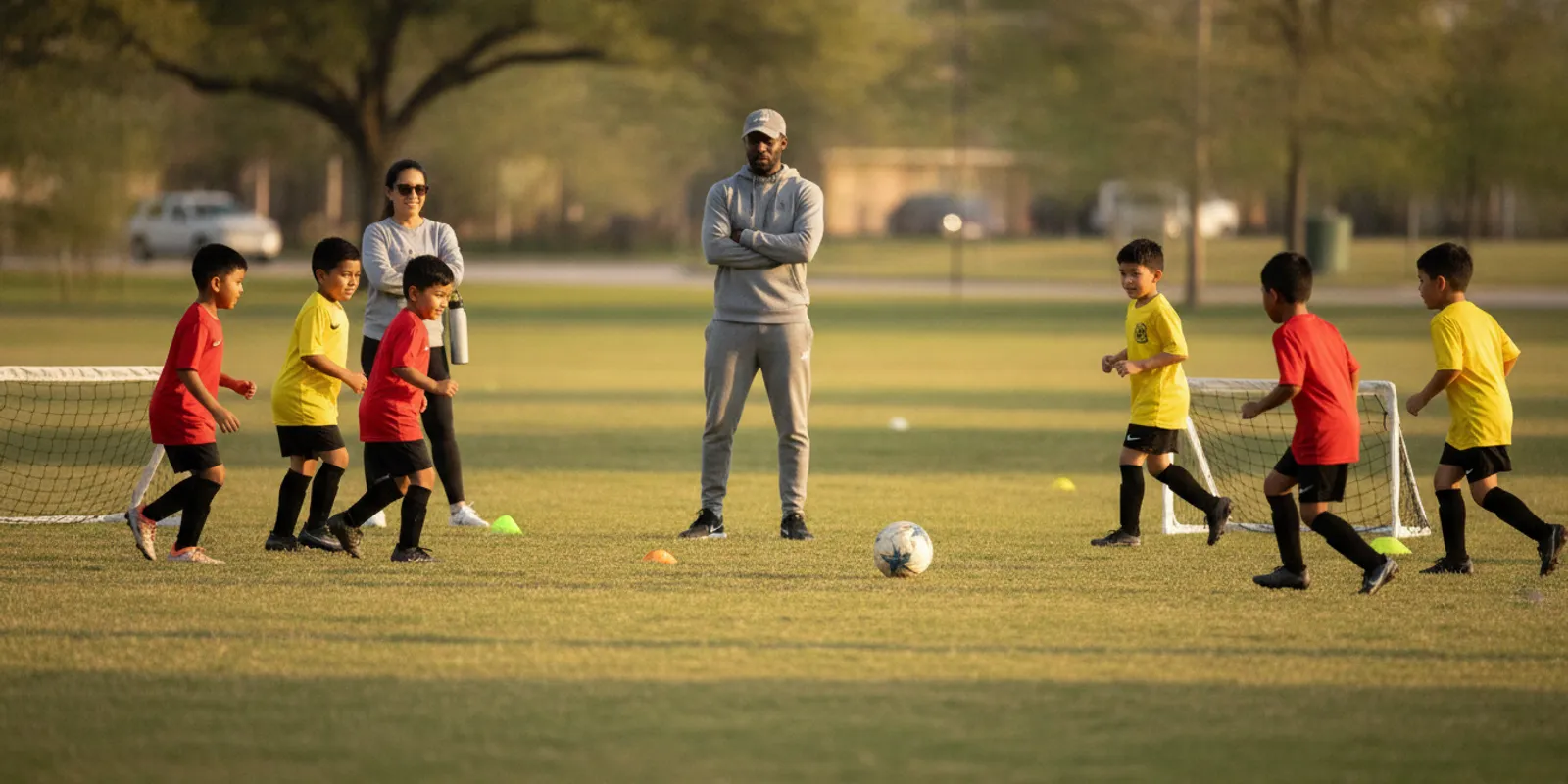
What injuries are common in youth soccer?
Youth soccer injuries can happen in a single moment or build gradually with repeated activity. A player might roll an ankle while changing direction, feel a muscle pull while sprinting, or develop soreness after several sessions. Contact with another player or the ball can also cause bruises and other injuries. The same symptom can have different causes, so families should avoid diagnosing from appearance alone.
Common concerns include:
- Ankle sprains:
The ankle may twist when a player lands, steps on an uneven surface, or changes direction. Pain, swelling, tenderness, or difficulty bearing weight can follow.
- Knee injuries:
A sudden pivot, awkward landing, or collision can lead to pain around or inside the knee. The causes range from a minor strain to an injury that needs prompt assessment.
- Muscle strains:
The hamstrings, quadriceps, and muscles around the groin can become painful during a sprint, kick, or fast change of pace. A player may describe a sudden pull or a gradual ache.
- Overuse pain:
Repeated loading without enough recovery can contribute to persistent pain in areas such as the heel, shin, or front of the knee. The discomfort may start during activity and recur with each session.
- Bruises and cuts:
Player contact, a fall, or a ball impact can cause a bruise or scrape. Most are minor, but the location and symptoms matter.
- Head injuries:
A collision, fall, or ball impact can cause a concussion or another head injury. A possible concussion should be taken seriously even if the player initially says they feel fine.
These are broad categories, not a checklist for self-diagnosis. A child with severe, worsening, or unusual symptoms needs an appropriate medical evaluation. When you are uncertain, it is safer to pause play and ask a healthcare professional than to rely on a guess.
Parents may find it helpful to separate an injury’s timing from its suspected cause. Sudden pain begins during a particular movement or collision; gradual pain becomes noticeable over repeated practices or games. Timing offers useful context, but it does not identify the tissue involved or determine how serious the issue is. A child who says, “It only hurts when I kick,” still needs to stop kicking until the concern is understood. A player can also have more than one symptom, such as soreness and swelling, so do not use a single detail to rule out a need for care.
Why do soccer injuries happen?
Soccer combines repeated running with quick decisions and frequent changes in direction. Players accelerate, decelerate, cut, jump, land, and kick, sometimes while reacting to a moving ball or another player. An injury may occur in a single tackle or landing, but training load and recovery can also matter. A child who has recently increased the number or intensity of sessions may not yet be accustomed to that workload.
There is rarely one explanation that fits every player. Factors can include a previous injury, fatigue, a sudden increase in activity, limited recovery, a new surface or footwear, and a movement that places unusual stress on a body part. Growth and development also differ from child to child. A coach or parent may notice that a player is moving differently, but only a qualified professional can assess an injury.
It is important not to blame a young athlete for getting hurt. Injuries can happen even when a player follows sensible preparation and safety habits. The useful question is not “Who is at fault?” but “What does this child need now, and what can the adults learn to support safer participation?”
The playing setting can shape what families need to pay attention to. A match may include bursts of effort, competition, and excitement that make it harder for a child to notice fatigue or speak up. A practice may repeat a particular drill several times, while a camp or new team schedule may add activity on days when the player usually rests. These are not reasons to avoid soccer; they are reminders to look at the child’s total activity rather than counting only formal games. Include school sports, other teams, camps, informal play, and active days when you talk with a coach or clinician.
How can parents recognize a possible injury?
Children do not always describe pain clearly. A player might say a body part “feels weird,” limp without mentioning pain, avoid a particular movement, or become unusually quiet. Look at changes in behavior as well as what the child says. If a player is protecting a leg, struggling to bear weight, repeatedly stopping, or unable to move as usual, do not pressure them to continue.
After an incident, ask calm, open questions: What happened? Where does it hurt? Did the pain start all at once or build over time? Does anything make it worse? Avoid leading a child toward a preferred answer, such as “It’s not that bad, right?” Listen without promising that they will be back in the next game.
Some symptoms call for urgent attention. Seek emergency help for a serious head or neck injury, loss of consciousness, confusion, seizure, trouble breathing, uncontrolled bleeding, a visibly deformed limb, severe pain, or another alarming change. If a child may have a concussion, remove them from play and do not let them return that day. Get medical guidance. For other injuries, seek prompt professional care if the child cannot bear weight, has significant swelling, pain that is severe or worsening, numbness, or symptoms that do not improve as expected.
When in doubt, stop the activity. A coach can help make space and notify a parent or guardian, but should not replace a medical assessment. If symptoms are mild and there are no urgent warning signs, a parent can still arrange appropriate advice, especially when pain returns with activity or affects ordinary movement.
It can help to observe function without asking a child to perform a challenge. Notice whether they walk normally, use the affected arm comfortably, or move with their usual coordination during everyday actions. Do not ask them to hop, sprint, or kick to prove whether an injury is serious. Also note changes over time: whether discomfort appears at rest, interrupts sleep, affects stairs, or returns after a practice. These observations can make a conversation with a healthcare professional more specific, but they do not replace an evaluation.
What should you do right after an injury?
First, make sure the player is away from active play and in a safe place. Stay composed and check whether there are urgent symptoms. Do not ask the child to “test it” by sprinting, jumping, or kicking hard. A player who is hurt should not have to prove that the injury is serious enough to deserve a break.
- Stop the activity.
Do not encourage the player to finish the drill or match through pain. Let them sit or rest in a safe area while an adult checks in.
- Ask what happened and what they feel.
Note the body part, the movement or contact involved, when the discomfort began, and whether symptoms are changing. These details can help when speaking with a clinician.
- Look for warning signs.
Serious pain, inability to use or bear weight on the affected area, a deformity, a head injury, or a rapidly changing condition needs professional attention. Use emergency services for emergencies.
- Contact the parent or guardian.
If you are the coach, share what you observed without guessing at a diagnosis. If you are the parent, explain the next step to the child in a reassuring, age-appropriate way.
- Arrange care when needed.
Follow advice from a qualified health professional. If symptoms are serious or getting worse, do not wait for the next scheduled practice to see what happens.
For a minor bump or scrape, basic first aid may be appropriate, but it should not mask a more serious issue. Do not give medication or apply a treatment outside the directions on the product or advice you have received from a qualified professional. Avoid using pain relief as a way to get a child through a game. If the injury is unclear, or the child is still uncomfortable, pause participation and seek guidance.
A short, factual account is more useful than a rushed label. For example: “He planted his foot to turn, stopped, and said his ankle hurt. He is limping and has not returned to play.” Include the time and whether symptoms changed. Avoid telling others that the child “just sprained it” unless a professional has made that assessment. If more than one adult is present, decide who will stay with the child, who will contact the parent or guardian, and who will seek help if the situation becomes urgent. Clear roles prevent a worried child from being left alone or receiving conflicting instructions.
For a suspected head injury, do not rely on the player to monitor themselves while continuing the session. Remove the child from activity, tell the parent or guardian what happened, and seek medical guidance. A child should not be left to return to the field simply because symptoms seem to settle quickly. If emergency signs appear, use emergency services rather than trying to transport the child without advice.
How can families lower the chance of common soccer injuries?
No warm-up, piece of equipment, or coaching method can prevent every injury. The goal is to build practical habits that help players prepare, manage their workload, and speak up early. Adults can make it easier for children to report discomfort without fearing that they will disappoint the team.
Build a purposeful warm-up
Give players time to raise their activity level gradually before intense running or competition. A warm-up can include easy movement followed by controlled running, balance, changes of direction, and soccer actions that become more demanding over time. The exact routine should fit the players’ age, ability, and session. It should not feel like a race or a punishment. A coach can choose age-appropriate movements and show players how to perform them with control.
Parents can look for a progression rather than one specific branded routine: players begin gently, practice movement with balance and control, and then move toward the pace and actions expected in the session. If a child arrives late, do not encourage them to sprint straight into the hardest drill to catch up. Ask the coach how the player can join safely. A warm-up is preparation, not a test of toughness, and a player who reports pain during it should pause instead of being urged to finish.
Increase activity sensibly
When a child is joining a new team, returning from a break, or adding another activity, pay attention to how quickly total exercise changes. More practices, camps, matches, and informal play all add to a child’s activity. Avoid treating one schedule as right for every player. Watch for new or recurring pain, unusual fatigue, or a change in movement. A parent can communicate with the coach about the player’s other commitments and any recent injury.
A practical family check-in can happen once a week. Ask the child which sessions they attended, which days felt especially tiring, and whether any pain appeared during or after activity. Compare that with the upcoming calendar before agreeing to extra play. If an unusually busy week is coming, let the coach know and ask what adjustments are appropriate for that player. The point is not to calculate a universal safe number of hours; no single schedule suits every age, experience level, and health situation. It is to notice abrupt changes and share relevant information early.
Make recovery part of the routine
Rest is not a reward that players have to earn. Children need time away from hard activity, along with ordinary habits that support wellbeing, including adequate sleep, meals, and fluids. A player who is exhausted or unwell may have a harder time concentrating and moving comfortably. If pain keeps returning, do not assume that extra stretching or another practice will solve it. Reduce or pause the activity and seek qualified advice.
Recovery also means respecting a prescribed activity limit when a child feels eager to do more. Parents may be tempted to allow “just a light practice,” especially before an important game, but the appropriate level depends on the individual injury and the professional’s guidance. Ask what counts as activity, whether ordinary play with friends is included, and what to do if discomfort returns. Make sure the child understands that following a plan is part of being a committed player, not a sign of falling behind.
Use suitable equipment and playing conditions
Choose footwear that fits the player and is appropriate for the playing surface. Check that laces are secure and that shin guards are positioned as intended. Equipment needs can vary by field and activity, so ask the coach or program organizer what is expected. Before play, adults can also scan the area for obvious hazards, such as objects on the field or unsafe equipment. Report concerns rather than asking children to play around them.
Fit matters more than simply having new equipment. A child’s feet can change, and footwear that pinches, slips, or feels uncomfortable may distract them from movement. Ask the player how the shoes feel while walking and during normal practice, and address discomfort rather than expecting them to “break in” painful footwear during a match. Check guards and laces before the session begins, and bring concerns to the organizer if a surface looks unsafe or differs from what the equipment is designed for. These checks are simple, but they should not create a false sense that injury is impossible.
Teach controlled movement, not just speed
Young players benefit from learning how to slow down, turn, land, and regain balance under control. These abilities support soccer movement and general athletic confidence. Skill practice should be matched to the child’s experience and should allow time to learn. When a player is struggling with a movement or feels pain, scale the activity back and communicate with the coach instead of demanding repeated attempts at full speed.
Parents can reinforce this approach with praise for awareness and good decisions, not only for scoring or winning a race. A child who slows down to regain balance or tells an adult a movement feels uncomfortable is making a useful choice. Coaches can break a difficult action into smaller parts, provide a demonstration, and let players build confidence before adding speed or pressure. This kind of gradual instruction supports learning without suggesting that any one technique can eliminate injury risk.
Make speaking up normal
Tell children that pain, dizziness, and feeling unwell are useful information, not signs of weakness. Praise a player for communicating early. Coaches and parents can ask how the child feels before and after activity without making every practice feel like an interrogation. A supportive culture gives a player permission to stop, explain a concern, and get help.
Adults can model neutral language. Instead of asking “Can you tough it out?” try, “Tell me what you noticed, and we’ll decide what to do next.” Let children know they will not be punished for asking to stop. For a younger player who has difficulty describing a symptom, offer simple choices such as whether it hurts while walking, kicking, or sitting, without suggesting the answer. Reinforce that an adult will listen even when the symptom seems small. Consistent responses make it more likely a child will speak up the next time.
What can help reduce overuse injuries?
Overuse problems can be difficult to spot because there may be no single dramatic moment. A child might first feel sore after practice, then notice that the discomfort arrives earlier in the next session. Pain can become more persistent or begin to affect walking, stairs, sleep, or ordinary play. Repeatedly pushing through a pattern like this can make it harder to understand what is going on.
Keep a simple note of when symptoms appear and what activity came before them. Record whether the discomfort settles with rest, returns at the next session, or changes the child’s movement. This is not a diagnostic tool, but it can help a healthcare professional understand the pattern. Tell the coach about recurring symptoms so the player is not automatically assigned the same workload while the family is seeking advice.
Do not assume that every growing child’s ache is harmless, or that every ache means a serious injury. Persistent, worsening, or activity-limiting pain deserves attention. A qualified healthcare professional can assess the child and advise whether to modify, pause, or resume soccer. Returning to practice simply because the child can tolerate discomfort is not a reliable measure of recovery.
A symptom record can be brief and practical. Write down the date, activity, general location of discomfort, what the child was doing when it began, and whether it changed how they moved. Add whether the pain settled after activity or returned during ordinary tasks. Avoid asking the child to rate every sensation repeatedly; the goal is to capture a pattern without making them anxious. Bring the notes to an appointment if helpful, and stop tracking if it distracts from getting care or following professional advice.
Families sometimes confuse normal tiredness after activity with pain that deserves attention. A child can feel tired after a demanding session, but new localized pain, a limp, repeated complaints in the same place, or reluctance to use a body part should not be dismissed as ordinary fatigue. There is no need to decide at home which category applies. Pause the activity, observe, and ask a professional when symptoms persist, worsen, or affect function.
What should parents know about head injuries?
A head injury may happen after a collision, a fall, or a ball impact. Symptoms can vary and may not appear exactly the same way in every child. They can include headache, dizziness, confusion, balance problems, nausea, sensitivity to light or noise, or behavior that seems unusual. A player may not recognize or report every symptom, so adults should take a suspected head injury seriously.
Remove a player from activity if a concussion is possible. Do not allow a same-day return to play after a suspected concussion, even if the child says they feel better. Seek medical evaluation and follow the healthcare professional’s instructions. Call emergency services for severe or rapidly worsening symptoms, loss of consciousness, seizure, repeated vomiting, increasing confusion, or other emergency signs. This list is not exhaustive; if you are worried about a child’s condition, get help.
Recovery and return to school, exercise, and sport should be guided by qualified medical professionals. Do not use a coach’s opinion, a quick sideline check, or a child’s eagerness to play as a substitute for medical clearance where it is needed. Parents should share relevant guidance with the coach so the player’s activity can be adjusted appropriately.
After a head impact, adults should write down what they saw and when it happened, then share that account during the medical conversation. A player can appear alert and still need assessment. Do not leave a child to manage symptoms alone or use a brief period without complaints as proof that the injury has passed. A parent or guardian should stay involved and use professional guidance for monitoring, school adjustments, and sport participation.
How does a player return to soccer after an injury?
Returning is a process, not a single decision made when a child says, “I’m fine.” The right plan depends on the injury, symptoms, and advice from the healthcare professional who evaluated the player. Some children may need a period away from sport; others may be allowed to resume activity in stages. There is no one schedule that is right for every injury or player.
Before returning, parents can make sure they understand any medical instructions, activity limits, follow-up needs, or warning signs. Share relevant guidance with the coach. If the plan allows a gradual progression, it may move from everyday activity to light soccer movement, then more demanding drills and eventually full participation. Let symptoms and professional advice guide each step. Do not jump straight from complete rest to a full-intensity match because a date on the calendar is approaching.
If pain, swelling, dizziness, or another symptom returns, stop and contact the appropriate health professional. A setback does not mean the child has failed. It means the plan may need reassessment. Reassure the player that recovery is part of development and that protecting long-term health matters more than rushing back for one practice or game.
It can help to clarify what a gradual return means before the first session. Ask whether the player may watch practice, join warm-ups, complete selected drills, or participate only within stated limits. Do not assume that “light” means the same thing to a child, parent, and coach. A young player may hear “take it easy” and then join a full-speed scrimmage because teammates are playing. Write down the specific guidance if needed, and communicate it to the adult leading the session.
Progress should be based on the individual plan, not comparison with a teammate who had a different injury. A child may feel discouraged when friends are playing, especially if a tournament or important match is near. Acknowledge the disappointment and explain that the next step depends on recovery, not on the calendar. If the plan is unclear, symptoms recur, or the child has new concerns, check with the healthcare professional before increasing activity.
How can parents and coaches support an injured child?
Children may feel frustrated, embarrassed, or worried about losing their place when they have to stop playing. Adults can acknowledge those feelings without promising a fast return. Try: “I can see you’re disappointed. We’ll find out what you need and follow the plan.” Avoid comments that suggest the child is letting the team down or should ignore pain to prove commitment.
Coaches can support a safe response by knowing who to contact, making space for an injured player, and communicating observed facts to the parent or guardian. For example, “She landed awkwardly and began limping,” is more useful than a confident guess about a diagnosis. Teams should make it clear that players can report pain and that adults will take the report seriously.
While a player is away from soccer, families can ask a healthcare professional whether ordinary daily activities or modified participation are appropriate. Some children may want to stay connected by watching a session, supporting teammates, or practicing a non-physical skill if that is permitted. Do not introduce substitute exercises or return-to-sport drills without appropriate guidance. The child’s recovery plan comes first.
Parents and coaches can make a simple communication plan before a problem occurs. Know which adult will contact a parent or guardian, how a child can reach that person, and where the player should wait if they need to leave the field. If the child has activity restrictions, share the relevant information with the person supervising them and confirm that it has been understood. Only share details that are necessary for the player’s care and safe participation. A clear plan prevents a child from having to negotiate their own limits in the middle of an energetic session.
When the child returns, check in privately rather than making the injury the center of attention in front of teammates. Ask what feels comfortable and whether anything has changed, while following medical instructions. Protect the player from pressure to demonstrate that they are “back” by scoring, running fastest, or joining every drill. Being included in the team can matter to a child, but inclusion should not require activity that conflicts with their plan.
How can families choose a development environment that supports healthy habits?
Parents evaluating youth soccer can ask practical questions about how the program handles warm-ups, player communication, injury response, and a child’s return after time away. The point is not to expect that a club can guarantee a player will never be hurt. No program can promise that. Instead, look for clear communication and adults who take a child’s wellbeing seriously.
- Who should a parent contact if a player reports pain or is injured during a session?
- How are players encouraged to report discomfort, dizziness, or feeling unwell?
- What does the coach do when a player cannot continue comfortably?
- How can a parent share medical guidance or a change in the player’s activity limits?
- What information should families bring or confirm before a session?
Families considering competitive development can read more about the NEXO FC youth soccer program, which is listed for ages 6–12. Younger families can learn about NEXO Tots, serving ages 2–5 with age-appropriate movement, coordination, ball comfort, dribbling, simple game concepts, and small-sided play. These program descriptions can help parents understand the options, but families should ask the club directly about current schedules and any questions related to a child’s needs.
For families still deciding whether a setting feels like the right fit, an NEXO Open House offers a way to learn more before making a larger program decision. Parents can also explore this guide to youth soccer training for a broader look at age-appropriate development. If you are comparing options, focus on fit, communication, and the child’s experience rather than assuming that a particular program guarantees injury prevention.
A family can use an introductory visit to ask about the everyday experience, not just the program description. How does a session begin? How are instructions adapted for the group’s age and experience? What should a parent do if a child arrives sore or has an activity limit? These questions help clarify communication and expectations. They are not a substitute for checking a child’s health needs with a professional, and they should not be treated as a promise that injuries will not happen.
What should you ask a healthcare professional?
When you arrange an evaluation, bring a concise account of what happened and how the symptoms have changed. Helpful details include when the pain began, what the player was doing, whether there was contact, what movements are difficult, and whether symptoms have recurred. Mention previous injuries or relevant health information. If you kept a brief symptom and activity note, bring it along.
Ask questions until you understand the plan. For example:
- What activities should the player avoid for now?
- What signs mean we should seek care again or get urgent help?
- Does the child need follow-up or another evaluation before returning?
- What does a safe progression back to soccer look like for this injury?
- What should the coach know, and are there written instructions we can share?
Recommendations can differ based on the child and the injury. Follow the advice given for your player rather than a timeline shared by another family or found in a general article. If instructions are unclear or symptoms change, contact the healthcare professional or seek further care as appropriate.
It is reasonable to ask for plain-language explanations and to repeat the plan back to check that you understood. For instance, clarify whether a restriction applies to soccer only or also to running and playground activity; what to do if discomfort comes back; and who to contact with a question. Ask whether written instructions are available to share with the coach. If the child has a follow-up appointment, put it on the calendar and make sure the player knows that return decisions will follow the plan, not pressure from teammates or an upcoming event.
Frequently asked questions
What is the most common soccer injury in kids?
There is no single answer that applies to every age group, level, or setting. Ankle and knee concerns, muscle strains, bruises, and overuse pain are among the types families may encounter. The specific cause of a child’s pain cannot be determined from a general list, so use symptoms and professional guidance to decide what care is needed.
Should my child keep playing if the pain is mild?
Do not pressure a child to play through pain. Stop the activity, ask what they feel, and watch for changes in movement or symptoms. If discomfort returns, worsens, affects normal activity, or concerns you, seek advice from a qualified healthcare professional. A child’s willingness to keep playing does not prove that it is safe.
Can stretching prevent soccer injuries?
Stretching alone cannot guarantee that a player will avoid injury. A thoughtful preparation routine, suitable activity progression, recovery, appropriate equipment, and open communication all contribute to a sensible approach, but none removes all risk. Ask a qualified coach or healthcare professional what preparation is suitable for your child and their activity.
When should a child see a doctor for soccer pain?
Seek emergency care for serious symptoms such as a major head or neck injury, loss of consciousness, trouble breathing, severe bleeding, a visible deformity, or rapidly worsening condition. Prompt professional assessment is also appropriate when a child cannot bear weight, has significant swelling or severe pain, or symptoms persist, worsen, or affect ordinary movement. If you are unsure, contact a healthcare professional for guidance.
How soon can a child return after a soccer injury?
There is no universal return date. It depends on the injury, the child’s symptoms, and the plan from the healthcare professional. Resume activity only in line with that guidance, and stop if symptoms return. For a suspected concussion, the child should not return to play that day and needs appropriate medical evaluation.
Common soccer injuries can feel stressful for a family, but a calm response makes the next step clearer: stop when a player is hurt, take concerning symptoms seriously, and use qualified medical guidance for care and return to play. With supportive adults and sensible preparation, children can keep developing their skills while knowing that their health comes first.
Categories
NEXO FC
Find your player's next step
Four ways to play at NEXO FC, all led by the same coaching staff.