
Youth Soccer Tournaments: What Parents Should Know Before Choosing One
NEXO FC
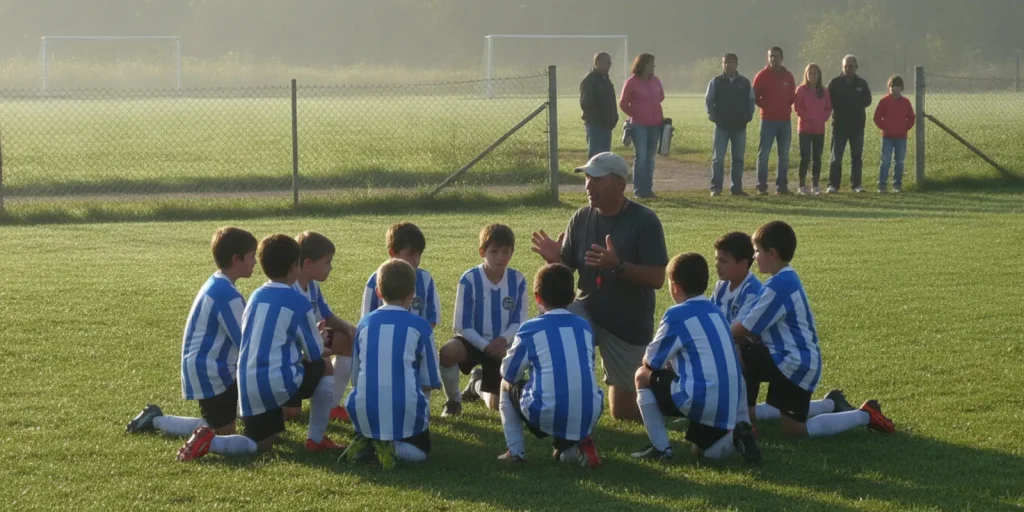
Choosing youth soccer tournaments can feel like choosing a whole weekend for your family, not just a match. The right event offers an appropriate challenge, clear expectations, and a positive opportunity to play. The wrong fit may mean long travel, confusing logistics, or a schedule that does not suit the child’s age or experience. Before registering, compare the event with your child’s goals and your family’s practical limits.
Explore NEXO FC program information
What makes youth soccer tournaments a good fit?
A good fit is more than a strong team, a large event, or a trophy opportunity. Consider age eligibility, playing format, competition level, expected participation, schedule, location, cost, and how the event fits into the team’s season. These details work together. A nearby tournament may still be a poor choice if it has a packed schedule your child cannot manage. A longer trip might be reasonable if the team has a clear purpose and families understand the commitment.
Start by asking your child what they hope to experience. They may want to play with teammates, test a new skill under pressure, enjoy a special soccer weekend, or spend time with friends. Then ask the coach what the tournament is intended to offer the group. When those answers align, you have a useful basis for evaluating practical details. A tournament is one part of a player’s development, not a verdict on talent or future potential.
Distinguish an event’s appeal from its suitability. Promotional language such as “elite,” “showcase,” or “championship” does not tell you how many minutes a child may play, what opponents will be like, or whether the schedule is workable. Ask for concrete details. If an important answer is missing, treat that as an open question rather than filling the blank with assumptions.
How should you compare age group and competition level?
Confirm age eligibility before paying. Organizers may use a birth-year cutoff, a season-specific rule, or another published registration standard. A school grade or informal team label may not settle eligibility. Read the event rules for the exact division, check how they handle players near a cutoff, and ask the organizer if a player’s situation is unusual. Keep the answer in writing so the family and coach work from the same information.
Find out what competition labels mean at this event. Words such as recreational, academy, competitive, and premier can be used differently by different organizers. Ask which teams are eligible for each division, whether placement is based on prior results or team applications, and whether divisions can be adjusted if the field is uneven. Do not choose the toughest-sounding bracket automatically. The aim is a suitable challenge where the child can participate, make decisions, and enjoy competing.
Age alone does not determine readiness. Experience, confidence, physical comfort, familiarity with team play, and the child’s interest also matter. Discuss these factors with the coach, who can explain the player’s current role and the group’s goals. If the child is new to organized soccer, ask whether the event expects extensive match experience. If they have played many events, consider whether this one adds something meaningful or simply repeats a familiar experience.
Describe the likely experience instead of chasing labels. Ask whether the team expects close matches, whether players will meet unfamiliar opponents, and how the coach will respond if the team faces a difficult result. These are not promises of a particular score. They help you understand whether the environment is one your child is prepared to enter. A suitable level can still include difficult moments; the question is whether the challenge and support make sense for this player.
What details should you check in the tournament format?
Read the event information for the number and length of games, roster limits, substitution procedures, field format, and special rules. Young players may encounter a different field size or match structure from older players. Verify what applies to the child’s division rather than relying on another event or season. If the page uses terms you do not know, ask the coach to explain how they affect the player’s experience.
Find out how the bracket works. Some events use group matches followed by placement or elimination games; others use another structure. Ask whether the published schedule guarantees a minimum number of matches or whether the number depends on results, weather, or bracket progress. The distinction matters to a family comparing travel with playing opportunity. An entry fee does not, by itself, tell you how much time the child will spend on the field.
Ask the coach how roster selection and playing time will be handled. Tournament weekends can create pressure to focus only on results, and team policies vary. Families should understand expectations before agreeing to attend. If the purpose is development, ask how the coach plans to help players contribute, how roles may change, and how the group will reflect afterward. Do not assume that every player receives identical minutes unless the coach has said so.
Consider the rhythm of the event. Two short matches separated by a long wait feel different from matches scheduled close together. A warm-up, check-in, or team meeting may extend the day. Ask what players are expected to do between games and whether they need to remain at the venue. This helps you decide whether the schedule suits your child and whether your family can manage the time.
|
Detail |
What to verify |
Why it matters |
|
Age eligibility |
Cutoff date, division rules, exceptions |
Avoids registration surprises |
|
Competition level |
Placement criteria and division description |
Sets expectations for challenge |
|
Game structure |
Game length, expected games, bracket |
Clarifies playing opportunity and time |
|
Roster and participation |
Roster size, selection, substitutions, playing-time approach |
Helps families understand the likely role |
|
Schedule and venue |
Kickoffs, gaps, check-in, parking, fields |
Supports travel, meals, and rest planning |
|
Fees and policies |
Total cost, deadlines, cancellation terms |
Reduces unexpected expenses |
How can parents judge the schedule and travel burden?
Look beyond the first kickoff. Check the full weekend schedule, venue address, parking information, check-in requirements, and time between matches. If the schedule is not available yet, ask when it is expected and how changes will be sent. Find out whether players must arrive well before each game and whether there are team activities beyond matches.
Estimate the real travel commitment rather than looking only at map distance. Include likely traffic, driving to the field, parking, walking to the pitch, meals, possible overnight stays, and time away from school or work. A venue that appears close can still make for a long day if the team has an early start or late finish. For a farther event, ask whether the team expects families to stay overnight and whether lodging is required. Do not assume travel costs are part of the entry fee.
Try a sample itinerary before registering. Write down the earliest likely departure, arrival and check-in time, first match, next match, meal break, final match, and return trip. Leave room for traffic and schedule changes. This need not be a perfect prediction. It makes pressure points visible, such as an early start after a late arrival or too little time for food between games.
Think about the child’s recovery and comfort. Pack water, suitable snacks, weather-appropriate layers, and items the team requests. Make sure the plan includes time to eat and rest. If games appear unusually dense, ask the coach or organizer how breaks are handled and what players should do between matches. If your child has an individual health or dietary need, make a plan with the responsible adults beforehand.
Travel is a family decision too. A parent may have work, other children may have commitments, and a second caregiver may not be available. Discuss who will drive, who can supervise, how the family will receive schedule updates, and whether the child can attend if one adult’s plans change. An event that fits the team but cannot be managed realistically by the household may not be right this time.
What costs and policies should you ask about?
Ask for the complete cost before committing. The team entry fee may be paid by the club, divided among families, or handled another way. Registration may not include uniforms, transportation, lodging, meals, parking, or other expenses. Ask who pays each item, when payment is due, and whether the amount can change if the team’s plans change. If the answer is an estimate, ask what remains uncertain.
- What is the total amount each family is expected to pay?
- Does that amount include the team entry fee?
- Are lodging, transportation, meals, parking, or uniforms additional?
- What is the payment deadline, and who collects payment?
- What happens if the team withdraws or the event is canceled?
- Are refunds, credits, weather changes, or rescheduling covered by written policies?
Request relevant terms in writing. Cancellation and refund rules differ between events. Do not rely on assumptions about weather delays, rescheduling, or reimbursement. Keep the registration confirmation and messages describing fees or policies. This is useful when a team decision is made before the organizer publishes a final schedule.
Separate unavoidable costs from choices your family can make. One family might bring meals from home but still pay for fuel or parking. Another may need lodging because of distance. Listing items separately helps you decide whether an event fits your budget without treating one family’s arrangements as universal. If costs are shared across a team, ask how the share is calculated and whether a roster change could alter it.
Do not let urgency replace clarity. A deadline may be real, but families should understand the fee, policies, and commitment before paying. If a term is unclear, ask the coach or organizer who can confirm it and by when. Then decide whether to wait for an answer or pass on the event.
How do you evaluate organization and communication?
Useful event information should answer basic questions before families register. Look for a current date, venue, age rules, format, fee details, contact method, and clear process for schedule updates. If information is missing, send a concise question before paying. The response can help you judge whether you will know where to go and what to do on tournament day.
Ask how urgent updates will be communicated. A field change, weather decision, or revised kickoff needs a dependable channel. Find out where the final schedule will appear, whether families must check a particular page or message thread, and how quickly teams should arrive after a change. If the coach is the main contact, clarify which questions go to the coach and which go to tournament staff.
Check that instructions make sense as a whole. An address without a field map may be difficult at a multi-field site. A schedule without a check-in time leaves families guessing. A fee without an explanation of what it covers makes comparison difficult. Keep a short list of unresolved questions and seek answers from the person responsible for each item.
Parents comparing an event with a longer-term option should remember they serve different purposes. A competitive youth soccer program involves a different commitment from a single weekend. Families considering a shorter seasonal experience can review NEXO camp information or look at the NEXO FC Open House details. Compare current information and choose what matches the child’s interests rather than assuming one format replaces another.
How can you tell if your child is ready?
Readiness is not only about skill. Consider whether your child understands the time commitment, can manage a busy team day with adult support, and wants to take part. Talk through what the event may involve: waiting between games, playing in unfamiliar conditions, meeting new opponents, and possibly facing a loss. A child need not feel perfectly confident, but should have room to ask questions and share how they feel.
Discuss practical readiness with the coach. Ask what team habits the player will need, how the roster will be selected, what attendance is expected, and what the coach hopes the group will learn. If the child is new to team soccer, a tournament may be a large first step. A regular practice environment or a tryout experience explained for families can help parents understand another evaluation setting, though tryouts and tournaments are not the same.
Consider the child’s likely response to uncertainty. Some children enjoy a crowded venue and unfamiliar opponents. Others do better when they know where to go, who will be there, and what happens after a match. Make the day more predictable by explaining the schedule, the coach’s expectations, and a family meeting point. The goal is not to remove every surprise but to help the child feel supported.
Do not pressure a child to attend because friends are going or because the event sounds prestigious. Ask what would make the weekend worthwhile. One player may want to try a new role; another may want to communicate more or stay engaged after a mistake. Agree on a goal the child can control. “Keep talking to teammates” is more useful than making the weekend entirely about winning.
Readiness changes. A child who is not interested now may be eager later, and family constraints may make one date difficult. Passing on an event is not a judgment of ability. It is a decision about timing and fit.
What should families do before tournament day?
Once you register, make a preparation plan. Confirm the venue and arrival time, check for schedule updates, and review the team’s equipment list. Make sure uniform pieces and personal gear are ready. Ask the coach about team-specific instructions rather than guessing. Save the organizer’s contact information and the official source for updates.
- Save the schedule, venue address, field location, and organizer contact details.
- Confirm arrival time, check-in, parking, and where the team meets.
- Prepare water, snacks, weather layers, and personal essentials.
- Plan meals, breaks, transportation, and any overnight stay.
- Review uniform and equipment instructions.
- Tell your child what to expect and invite questions.
- Agree how you will receive schedule changes while traveling.
Pack for the day you are likely to have, not only the first kickoff. A checklist can prevent avoidable stress: sports gear, clothing layers, food, water, any needed medications managed by the responsible adult, and a charged phone. Follow the organizer’s and team’s instructions about what may be brought onto the field. Do not assume food, shade, seating, or indoor space will be available unless confirmed.
Keep plans flexible. Schedules can shift, and outdoor events may be affected by conditions. Follow official updates rather than informal rumors. If a change creates a safety, travel, or family issue, contact the appropriate team or event representative promptly. If unsure whether a message is current, verify it through the organizer’s stated channel.
Set expectations without overloading the child with instructions. Explain when to arrive, where the group meets, and whom to ask for help. Leave soccer-specific preparation to the coach. A calm routine can make the day easier than a long pregame lecture about what the player must accomplish.
How can parents support a positive tournament experience?
Children benefit from calm, specific encouragement. Support effort, communication, and teamwork rather than calling instructions from the sideline. Coaches are responsible for coaching; conflicting directions from adults can make it harder for a young player to focus. Follow sideline rules and model respect for players, referees, coaches, and other families.
Agree on a simple parent role. Help the child get to the field, keep track of practical needs, and offer encouragement. You do not need to analyze every play. If you have a concern about playing time, safety, or communication, raise it privately with the coach at an appropriate time rather than during a match or in front of children.
After a match, give your child room to decompress. “What was one moment you enjoyed?” can start a useful conversation without turning the ride home into a performance review. If the child wants feedback, let them describe what they noticed first. Technical or tactical questions are best discussed with the coach in the right setting.
Make room for outcomes that are not wins. A tournament may bring unfamiliar opponents, challenging conditions, and strong emotions. Help the child notice what they learned, how they supported teammates, or what they would like to try next. Avoid comparing children or treating one weekend as the measure of progress. Praise a specific action you observed, such as recovering after losing the ball or communicating with a teammate.
Some children may feel disappointed after a match or frustrated by limited involvement. Listen before trying to fix the feeling. You might say, “It sounds like you wanted more time on the field,” then ask whether they would like to talk with the coach. Avoid promising an outcome you cannot control. Recognize the feeling while helping the child identify a constructive next step.
When should you choose a different soccer option?
A tournament may not be the best next step if dates conflict with school or family commitments, travel is not manageable, costs remain unclear, or your child does not want to participate. It may be wise to pause if age rules, supervision arrangements, communication, or cancellation terms remain unclear after you ask. The decision concerns this event and moment; it does not define future choices.
Another format may suit the child’s goals better. Regular team training offers an ongoing setting, while a camp may provide a shorter seasonal experience. An Open House lets a family learn about a program, and tryouts are a separate evaluation opportunity. NEXO describes its NEXO FC program for competitive youth soccer and provides separate themed camp information. Check current details, age information, and availability instead of assuming a program is right based on its name.
Write down what you want the child to gain and what the family can realistically commit. If the priority is an enjoyable introduction to soccer, a full tournament weekend may be more than needed. If the team has trained together and the child wants a competitive challenge, an event may make sense, provided schedule and expectations are clear. Choose the option that serves the child without creating an unmanageable commitment.
How can you compare tournament options side by side?
When several events seem possible, put their details in one place instead of relying on memory. Use a page with one column for each tournament and rows for eligibility, level, likely games, schedule, travel, fee, policies, and the child’s interest. Mark each item confirmed, estimated, or unanswered. This makes uncertainty visible and prevents a polished description from seeming more complete than it is.
Give the most important factors greater weight. For one family, readiness and playing opportunity may come first. Another may need a date that works around school, caregiving, or work. Agree on priorities before comparing event names. Otherwise, families may debate small differences while overlooking a major issue such as a required overnight stay or a schedule that remains unknown.
Imagine Tournament A is convenient and has a clear date, but no schedule or total cost yet. Tournament B is farther away, but its format, timing, and fee terms are published. The practical choice depends on whether Tournament A’s missing details will arrive before the family must commit. Ask when they will be confirmed, then decide whether uncertainty is acceptable. Do not treat “probably” as a confirmed plan.
Another comparison might involve events with similar logistics but different competitive settings. Ask the coach which better supports the team’s purpose and the individual child’s experience. One may be familiar; the other may introduce a new challenge. Neither is inherently superior. The useful question is what the player can reasonably learn and contribute.
Revisit the comparison with the child in age-appropriate language. Explain travel and schedule without handing them responsibility for the family budget or final decision. Ask what sounds exciting or worrying, listen without correcting their first reaction, and explain what the adults still need to confirm. This lets the child participate while adults handle logistics.
What should you learn from tournament rules and standings?
Rules shape the experience, but families do not need to memorize every line. Locate sections on eligibility, game format, roster rules, substitutions, discipline, weather, and disputes. Ask the coach which rules affect players directly. If published rules conflict with a team message, ask the organizer for clarification before registration rather than assuming the informal explanation is correct.
Understand how the event handles results and standings. Some publish a points system or tie-breaking procedure; others organize matches differently. The U.S. Youth Soccer tournament policy document includes a points example for certain hosting contexts, but it does not establish that every tournament uses that system. Read the specific event rules rather than importing a format from another competition. Standings are only one part of the weekend’s value.
Ask whether the event has conduct expectations for players, coaches, and spectators, and how concerns should be raised. A parent should know where to direct a question, who is responsible for a child between matches, and what the team expects around arrival and departure. Do not assume a particular supervision or emergency policy exists unless the organizer or club clearly provides it. If an essential responsibility is unclear, seek an answer before attending.
Rules help check whether expectations match the event. If a family expects several guaranteed matches but later games depend on bracket results, understand that before paying. If organizers reserve the right to change a schedule, ask how changes are announced and what families should do. The goal is not to predict every contingency but to know where authoritative information will come from.
How should you plan for different outcomes?
A weekend can end in many ways: the team may win, lose, draw, advance, or finish earlier than expected. Ask what the schedule could look like under different outcomes and whether families should keep the full day or weekend available. This matters for rides, meals, lodging, and other plans. Avoid making nonrefundable arrangements based on a hoped-for bracket path unless the published schedule supports it.
Prepare for schedule changes without making the child anxious. Tell them adults will monitor official updates and the team will explain what to do. Keep a charged phone and the organizer’s stated communication channel available. If weather or another disruption changes plans, follow official directions and ask the coach how the team will regroup. Do not rely on an old screenshot or forwarded message.
Plan for emotional outcomes too. A child may be excited before a match and disappointed afterward; they may enjoy a new position or feel uncomfortable with it. Let the player know that family support does not depend on the result. If the child asks what a score means for the team, answer honestly without making predictions about future selection or ability. A tournament result captures a limited set of games in one context.
After the event, wait until the child is ready to talk. Ask what felt different from regular play, what they enjoyed, and what they might want to practice. If they have concerns about a role or experience, help them find an appropriate time to speak with the coach. Note practical lessons, such as needing a better snack plan or earlier departure, without treating the weekend as a formal evaluation of the child.
How can families avoid common decision mistakes?
One mistake is choosing by reputation or event size alone. A large tournament may offer many teams, but that does not guarantee a suitable division, manageable schedule, or meaningful participation for an individual player. Ask what the child’s experience is likely to be. Scale matters only insofar as it serves the family’s goals.
Another mistake is focusing on the entry fee while ignoring the total commitment. Add likely transportation, lodging, food, parking, uniforms, and time away from other responsibilities. Not every expense applies to every family, so make a household-specific estimate. If the team has not confirmed its share, ask how it will be calculated and whether a roster change could alter it.
Families can overvalue a single result. A win does not automatically mean the event was the best developmental fit, and a loss does not prove the level was wrong. Consider whether the child participated, stayed engaged, learned something, and wants to continue. Results offer context for the coach, not a complete assessment of a young player.
Finally, avoid registering first and asking basic questions later. Some details may arrive closer to the event, but eligibility, financial obligations, and broad time commitment should be clear enough to decide. If they are not clear, pause and ask. A family can be interested without agreeing before the facts are known.
What changes as children gain tournament experience?
A younger or newer player may need different preparation from an experienced team member. For a first event, focus on predictability: where the team meets, how long the family may be at the venue, what the player should bring, and which adult can answer questions. Explain that there may be waiting as well as playing. A first tournament is not a test of whether a child belongs in soccer; it is one experience that helps the family understand the format.
For a player with some match experience, ask what is new about this event. It could be opponent level, schedule, venue size, or several matches in a short period. A familiar team setting can make a new challenge more comfortable, but the coach should explain expectations. Make sure the child understands that different opponents may require different decisions and that they can ask the coach for guidance.
For a more experienced player, assess whether the event adds value beyond another weekend of games. Ask what the coach hopes to observe or develop, how the player’s role may vary, and whether timing fits the season. Experience does not make a child immune to fatigue, disappointment, or uncertainty. Keep asking about interest and practical readiness instead of assuming the player should attend because they have done tournaments before.
These are not rigid age categories. Children develop at different rates, and the same player can feel confident in one setting and unsure in another. Use these examples as prompts, not rules about who should register. The coach explains team context; the child describes feelings; adults evaluate the family commitment.
How can you set a useful goal for the weekend?
A simple goal helps a child focus on what they control. It should be specific enough to recognize, realistic, and independent of the final score. Examples include communicating with a teammate, trying a move practiced in training, recovering quickly after a mistake, or listening to the coach. Ask the child to choose or adapt the goal rather than assigning a performance target they may not understand.
Keep the goal small. One intention can be enough, and the coach’s instructions take priority during play. Afterward, ask whether the child remembers the goal and what they noticed. If they did not meet it, avoid treating that as failure. They may have had limited minutes, a different role, or a difficult moment. The conversation is for reflection, not grading.
Parents can set a separate goal. A parent might avoid sideline coaching, keep the day organized, or ask one open question after the match rather than reviewing every decision. This gives adults a constructive role and helps preserve the child’s ownership of the sport. A tournament is a team event, but family tone influences how a child remembers it.
Afterward, look for patterns rather than drawing a large conclusion from one match. Perhaps the child enjoyed the team atmosphere but found long gaps difficult. That suggests a practical adjustment next time, not necessarily a reason to stop attending tournaments. Maybe the player liked the competition but would benefit from understanding the format better. Talk with the coach about observations and consider whether another event fits the season.
What questions should you ask before registering?
Use this checklist for a focused conversation with the coach or organizer:
- Which age rules apply, and how is eligibility determined?
- What competition level and playing format will the team enter?
- How many games are expected, and how are roster and playing-time decisions handled?
- What is the full family cost, including likely additional expenses?
- Where and when will schedule and event updates be shared?
- What are the cancellation, weather, and refund policies?
- What does the coach hope players will learn or experience?
- What is expected of families between matches and throughout the day?
- Does my child want to participate, and can our family manage the commitment?
Answers need not promise a perfect weekend. They should provide enough information for an informed decision. If an important detail is unknown, ask who can confirm it and when. Then decide whether you are comfortable registering before the answer arrives or would rather wait for a clearer picture.
Review NEXO FC Open House information
The best youth soccer tournaments for your child fit their age, goals, readiness, and your family’s capacity. Compare the details, ask direct questions, and let learning and enjoyment matter alongside the score.
Categories
NEXO FC
Find your player's next step
Four ways to play at NEXO FC, all led by the same coaching staff.