
Soccer Nutrition for Kids: Practical Game-Day Habits
NEXO FC
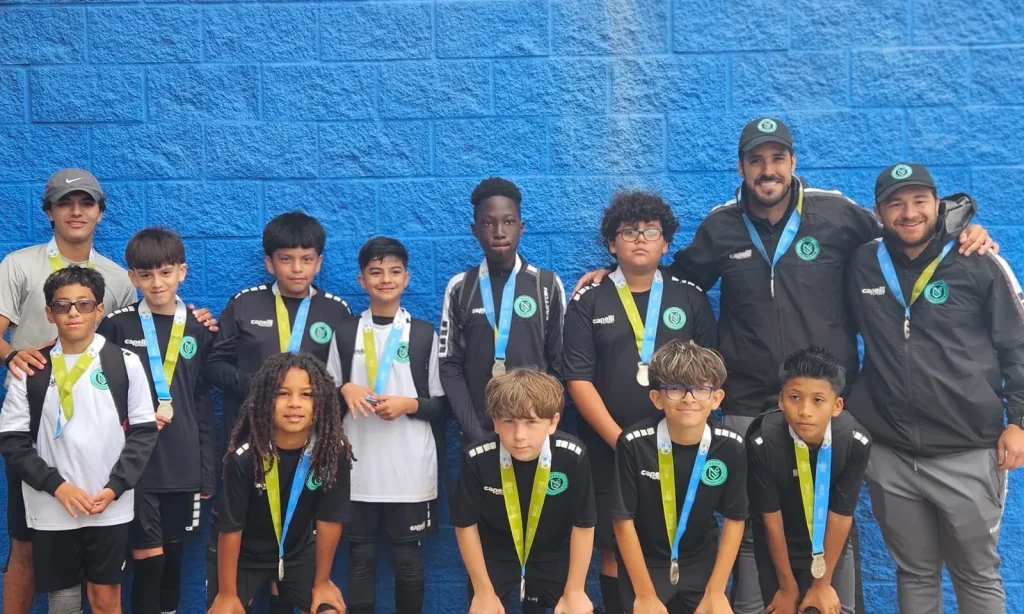
Game day feels better when young players arrive with energy, a comfortable stomach, and a simple plan for food and fluids. For parents, soccer nutrition for kids does not have to mean complicated meal prep or strict rules. The goal is to offer familiar foods at useful times, pack enough water and snacks, and help each player learn what supports them before, during, and after soccer.
Looking for an age-appropriate soccer environment in the Houston area? Explore NEXO FC programs for competitive soccer, NEXO Tots, camps, and the next development opportunity for your player.
What kids need from game-day nutrition
Children need fuel for movement, concentration, and recovery, but every player is different. Age, body size, practice length, weather, activity level, appetite, and the time of the game all affect what feels right. A young player who is comfortable eating a full breakfast several hours before a match may need only a small snack before an early game. Another player may need a little more food because the previous meal was long ago.
A useful game-day pattern is simple:
- Regular meals:
Keep normal meals and snacks in place instead of allowing the game to turn into an all-day fast.
- Carbohydrate foods:
Include familiar sources of energy such as oats, rice, potatoes, pasta, bread, cereal, fruit, or applesauce.
- Protein:
Add foods such as eggs, yogurt, milk, chicken, beans, cheese, nut or seed butter when appropriate for the child and family.
- Fluids:
Offer water throughout the day and make it easy for the player to drink during breaks.
- Familiarity:
Game day is not the time to test a new supplement, unusual meal, or food that has caused stomach trouble before.
Think of this as a flexible rhythm rather than a perfect menu. A child who eats enough overall and arrives hydrated will usually benefit more from a repeatable routine than from a highly specific food plan.
The day before a soccer game
Preparation starts with the ordinary meals before game day. There is no need for an oversized “carb load” for a typical youth practice or match. Instead, serve a balanced dinner with a familiar carbohydrate, a moderate portion of protein, colorful produce, and a drink. For example, a family might choose chicken with rice and vegetables, pasta with meat sauce and fruit, or a bean-and-cheese quesadilla with avocado and sliced fruit.
Encourage normal drinking through the afternoon and evening. A child does not need to force large amounts of water at bedtime, and repeatedly waking up to drink can interfere with sleep. A water bottle can help a player sip during the day, especially when the weather is warm or the family is moving between school, activities, and training.
Parents can also use the evening before a game to make the next morning easier. Check the start time, decide what breakfast is realistic, wash and cut fruit if needed, and pack a water bottle. For a tournament, prepare several familiar snacks rather than relying on a concession stand to have the right options. Planning reduces the chance that a player arrives hungry or eats a large, heavy meal in a rush.
What to eat before a game
The best pre-game meal depends on timing. When there are two to three hours before kickoff, a child can usually eat a regular meal that combines carbohydrate with a moderate amount of protein. Examples include oatmeal with banana and yogurt, a turkey sandwich with fruit, rice with eggs and vegetables, or a bowl of cereal with milk and a banana. The portion should match the child’s appetite. More is not automatically better.
When only 30 to 60 minutes remain, choose a smaller snack that is easy to digest. A banana, applesauce pouch, pretzels, crackers, a piece of toast, a small granola bar, or half of a familiar sandwich may work well. Some children tolerate yogurt or a small glass of milk, while others prefer to avoid dairy close to activity. The right choice is the one the player has practiced and can eat comfortably.
Foods that are very greasy, unusually spicy, or especially high in fiber may feel heavy right before running for some children. That does not make those foods “bad,” and it does not mean a child must avoid them all day. It simply means parents should notice patterns and place foods that may cause discomfort farther away from kickoff.
Breakfast games can be challenging because appetite may be low immediately after waking. Offer a familiar option as early as practical, then pack a small snack for later if the player can tolerate it. Never pressure a child to eat a large meal. A calm, familiar choice is more useful than an argument at the kitchen table.
Hydration for young soccer players
Water is the everyday starting point for most youth soccer activities. Offer it with meals and snacks, bring it to the field, and remind players to drink at water breaks. Small, regular sips are usually easier than trying to catch up all at once after a long period of activity.
Hydration needs change with heat, humidity, practice length, and how much a player sweats. Houston-area families may see especially warm conditions during parts of the year, so coaches and parents should take water breaks seriously and adjust the plan when conditions are difficult. A player should not be expected to ignore thirst in order to keep playing.
For a short practice or ordinary youth game, water may be all a player needs. During a long, hot session or a tournament with multiple games, a sports drink can sometimes be useful because it provides fluid and carbohydrate. It is not a replacement for water at every practice, and energy drinks are not appropriate for children. Caffeinated products, pre-workout products, and supplements should not be part of a child’s game-day routine without specific guidance from a qualified medical professional.
Parents should tell the coach about relevant medical needs, allergies, or restrictions before an event. If a child develops a severe headache, confusion, fainting, unusual weakness, trouble breathing, repeated vomiting, or other concerning symptoms, stop activity and seek immediate help. Move the child to a cool area, alert the responsible adult or coach, and follow appropriate medical guidance. Nutrition and hydration support activity, but they do not replace medical care.
What to pack for practice, games, and tournaments
A small game-day kit can cover most situations without filling a bag with every possible food. Pack items that travel well, are familiar, and fit the player’s dietary needs. A practical list may include:
- A clearly labeled water bottle that the player can open independently.
- One easy pre-game snack, such as a banana, applesauce, pretzels, crackers, or a simple bar.
- One more substantial recovery option for after the game, such as a sandwich, yogurt with fruit, cheese and crackers, or a bean-and-cheese wrap.
- A meal for a long tournament day, packed in a cooler when it contains perishable foods.
- Any medically required food or drink, clearly separated and labeled.
- Napkins, hand sanitizer, and a small trash bag so food can be handled cleanly at the field.
For multiple games, think in stages: a light snack before the first game, water during breaks, a small recovery snack afterward, and a normal meal when there is enough time to sit and eat. A player may not want a full meal immediately after a hard game. Start with fluids and a small snack, then offer a fuller meal once the stomach feels settled.
Food safety matters on long field days. Keep perishable items cold, avoid leaving meat or dairy in a hot car, and throw away food that has been sitting out too long. If a player has a food allergy, ask the coach or event organizer about shared snacks and cross-contact. Families should follow the child’s established allergy plan rather than improvising at the field.
Eating after soccer: recovery without pressure
After activity, a meal or snack with carbohydrate, protein, and fluid helps a child return to a normal routine. The timing does not need to be perfect. If dinner is soon, a regular family meal may be enough. If the next meal is several hours away, offer something smaller first, such as chocolate milk, yogurt and fruit, a peanut or seed butter sandwich when safe, cheese and crackers, or a rice-and-bean bowl.
Recovery is also a chance to listen. Ask how the player feels, whether anything caused stomach discomfort, and whether the snack was enough. Avoid turning food into a reward for scoring or a punishment for a poor result. A player’s value is not tied to goals, minutes, wins, or how much they eat. Calm conversations help children build useful body awareness without creating anxiety around food.
Sleep and a regular eating pattern matter too. A late match may make dinner feel different, but the long-term goal is still a normal routine with enough food, fluids, and rest. If a child regularly has fatigue, dizziness, stomach pain, fainting, unexplained weight changes, or anxiety around eating, speak with the child’s pediatrician or a registered dietitian who works with young athletes.
Simple habits for younger players
Younger players often have smaller appetites, shorter attention spans, and less control over the family schedule. For ages 2–5, keep the plan especially simple: offer a familiar meal or snack, bring water, allow enough time to use the restroom, and avoid pressuring a child to finish a plate. Small portions can be repeated if the child is still hungry.
NEXO Tots is designed for ages 2–5, with short, age-appropriate sessions at Oakridge in Conroe. Families can review the NEXO Tots program to see the current structure, schedule, and registration information. A young player may need a snack before class, but the best choice still depends on what that child normally tolerates.
For school-age players, invite them to help choose between two or three practical options. A child can fill a water bottle, put a banana in the bag, or help assemble a sandwich. These small jobs build independence while keeping parents responsible for the overall plan.
Game-day nutrition mistakes to avoid
Most problems come from an overcomplicated routine, not from one imperfect snack. Try to avoid these common traps:
- Skipping meals to “save room” for the game:
Arriving overly hungry can make it harder to concentrate and may lead to rushed eating.
- Trying a new food right before kickoff:
A new recipe or supplement can create stomach surprises when there is no time to adjust.
- Forcing a large meal:
A child who feels pressured may associate activity with stress. Offer a reasonable choice and respect appetite.
- Using energy drinks as sports fuel:
Caffeine and stimulant products are not a child’s hydration plan.
- Forgetting the post-game plan:
A player may be fine at kickoff but exhausted and very hungry after a tournament. Pack something for recovery.
- Comparing players:
One child may need more food or more frequent snacks than a teammate. Personal patterns matter more than comparison.
There is no single perfect soccer menu. The most helpful routine is one that is safe, familiar, flexible, and realistic for the family’s schedule.
A practical family checklist
Before leaving home, a parent can ask five quick questions:
- When did my child last eat a normal meal or snack?
- What small, familiar food can we offer if the next meal is far away?
- Is the water bottle filled and easy for my child to use?
- Are any allergy, medical, or dietary needs covered?
- What will we offer after the game if dinner is not immediately available?
This checklist works for a weekly practice, an NEXO Soccer Camp day, or a weekend with multiple matches. NEXO camps welcome players ages 6–13 at Oakridge in Conroe and include activities such as ball mastery, dribbling, passing, finishing, small-sided games, coordination, and teamwork. Families can check the current NEXO Soccer Camps schedule and plan food and fluids around the posted session times.
Want to learn more about the right next step for your player? Review NEXO registration options or contact the NEXO FC team with questions about programs, camps, and tryouts.
Build a routine that helps your child enjoy the game
Soccer nutrition for kids is about preparation that supports confidence, not perfection. Start with regular meals, familiar snacks, water, and enough time to eat without rushing. Notice what helps your child feel comfortable, adjust for weather and schedule, and ask a medical professional about individual needs or symptoms. When food and hydration are handled calmly, young players can focus on learning, working with teammates, and enjoying soccer.
NEXO FC serves Houston-area families with a player-first development pathway. The current programs page explains the options for different ages, while the tryouts page provides the latest information for families exploring a competitive next step.
This article provides general educational information and is not medical advice. Children with allergies, medical conditions, food restrictions, ongoing symptoms, or specialized training needs should follow guidance from their pediatrician or a qualified registered dietitian.
Categories
NEXO FC
Find your player's next step
Four ways to play at NEXO FC, all led by the same coaching staff.