
Youth Soccer Training: A Practical Guide by Age
NEXO FC
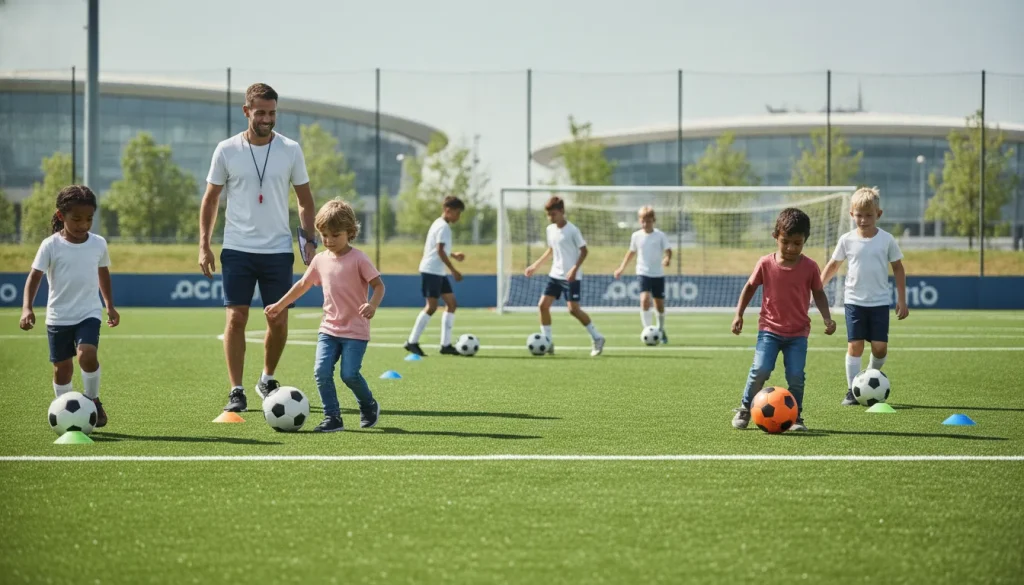
When your child wants to improve at soccer, it can be tempting to add more sessions to the calendar. But extra training isn’t always the answer, and private lessons aren’t a requirement for progress. The right youth soccer training plan depends on what your player enjoys, what they want to learn, and how much time and money your family can commit. Team programs, group sessions, and camps each offer different ways to practice skills and make decisions in game-like settings. This guide breaks down common costs and explains when individual coaching may help. You’ll also find practical questions to ask before choosing a Houston program.
Key Takeaways
- Choose age-appropriate training
: Look for activities that suit your child’s experience, confidence, and readiness, from playful ball skills to tactical learning.
- Focus on coaching and culture
: Prioritize clear feedback, safe practice, decision-making, and a welcoming environment where players can learn through play.
- Compare the whole commitment
: Review fees, schedules, location, and travel before choosing a team, camp, or beginner program. Houston families can explore NEXO Tots, NEXO FC, soccer camps, and open houses.
How Youth Soccer Training Helps
Youth soccer training helps children develop on and off the field. With age-appropriate activities and supportive coaching, players can improve their movement, practice core skills, and learn to make decisions with teammates. Training works best when children get plenty of chances to play, experiment, and try again. NEXO’s player development approach pairs technical practice with decision-making and tactical understanding, helping players connect individual skills to the game.
Improve fitness, coordination, balance, and healthy movement
Running, kicking, stopping, and changing direction ask children to move in many different ways. Regular soccer activities can help players develop endurance, coordination, balance, and agility while keeping movement fun. A coach might set up a dribbling course, a chasing game, or a simple activity where players react to a pass. These exercises help children practice body control as they become more comfortable on the field. Youth soccer activities can support healthy movement through play. Coaches should match the pace and challenge to each player’s age and experience, include water breaks, and build intensity gradually.
Build dribbling, passing, first-touch, and shooting skills
Players improve soccer technique by practicing skills in different situations, not just repeating them in isolation. They can dribble around a defender, pass to a teammate, receive the ball with control, or shoot when an opening appears. Small-sided games give children a chance to put those actions together: look up, choose an option, and execute it while the game keeps moving. Repetition helps skills feel more familiar, while specific, encouraging feedback gives players a clear next step. Youth soccer skill practice can help children improve control and technique when activities stay engaging and suit their ability.
Develop teamwork, communication, confidence, and decision-making
Soccer gives children regular opportunities to communicate, cooperate, and support their teammates. They can practice calling for the ball, sharing responsibility, listening, and responding constructively after a mistake. Coaches can reinforce these habits by recognizing helpful communication and teamwork, not only goals. Players also make choices throughout a game: pass, dribble, shoot, or move into open space. Each opportunity helps them learn to assess what is happening and act with more confidence. Team soccer can teach children how to work together, and a welcoming training environment helps every player feel comfortable contributing and learning.
Build spatial awareness and tactical understanding through play
To make useful decisions, players need to notice where their teammates, opponents, and open spaces are. Small-sided games create frequent chances to practice this awareness. A player might move to support a teammate, find space to receive a pass, or adjust position when defending. Coaches can help children think about these choices with brief questions: “Where could you move to help?” or “What did you notice before you passed?” Connecting movement to game situations helps players understand when and why to use a skill. With practice, children can become more aware of the field and better prepared to respond as play changes.
Value enjoyment, effort, and progress—not just wins
Winning can be exciting, but it is only one measure of a young player’s experience. Encourage children to notice progress such as a more controlled first touch, a smart pass, or the confidence to try again after losing the ball. Coaches can support that growth by setting clear challenges, giving specific feedback, and making practice enjoyable. Parents can help by asking what their child learned or enjoyed, rather than focusing only on the score. A supportive coaching environment gives players room to learn through effort and mistakes. When children feel encouraged, they have more reason to stay involved and keep developing.
Match Training to Your Child’s Age
The right soccer training depends on more than a player’s age. Experience, confidence, attention span, and physical readiness all shape what will help a child learn and enjoy the game. A young child may benefit most from playful movement and plenty of time with the ball. An older player may be ready to connect skills with decisions in a game.
Use age ranges as a starting point, not a strict checklist. Good coaching builds skills gradually and adjusts activities when players need more support or challenge. NEXO offers a Tots program for ages 2–5, while older players can explore competitive development through NEXO FC. The stages below can help you think about what kind of soccer experience may suit your child.
Ages 2–5: Explore movement and the ball through play, such as NEXO Tots
At ages 2–5, soccer should feel like play. Children can practice stopping, starting, changing direction, and kicking a ball through simple games. Short activities, clear instructions, and frequent chances to try again help keep young players involved. There is no need to focus on formations or perfect technique. The priority is helping children feel comfortable moving and having fun with the ball.
Choose a program that welcomes curiosity and lets each child participate at their own pace. NEXO Tots is designed for children in this age range. As Villarreal Houston’s guidance on soccer training for kids explains, a four-year-old benefits from playful contact with the ball, rather than a checklist designed for older players.
Ages 6–8: Practice coordination, basic skills, and simple games
Children ages 6–8 can build coordination while learning basic soccer skills. Practice might include dribbling around cones, stopping the ball, passing to a partner, and taking simple shots. Small games give children a chance to try these skills while learning to share space, take turns, and pay attention to teammates.
Keep instructions brief and make sure players get plenty of time to move. A coach can introduce one skill, demonstrate it, then let children practice through a game. Activities should be varied and encouraging, since players may have different levels of experience. A youth training guide emphasizes using age-appropriate progressions. Ask how a program moves from basic coordination and ball skills toward simple decisions without making practice feel too demanding.
Ages 9–12: Refine technique and make decisions in game situations
Between ages 9 and 12, players can work on more consistent dribbling, passing, receiving, and shooting. They can also start connecting technique with decisions: when to pass, where to move next, or how to find space when an opponent is nearby. Small-sided games give players frequent touches and opportunities to read the action around them.
Look for coaching that explains why players are doing an activity, not only what movement to copy. A passing drill, for example, can encourage players to scan for a teammate and choose when to move into space. Villarreal Houston’s training guidance notes that technique at this stage should connect to decision-making. Encourage your child to reflect on what they noticed during a game, and remind them that mistakes are part of learning.
Ages 13 and up: Build consistency, tactical understanding, and age-appropriate fitness
Teen players can work toward more consistent technique, stronger tactical understanding, and fitness suited to their age and experience. Training may involve reading the game, coordinating movement with teammates, and choosing what to do under pressure. Physical development varies widely during the teen years, so coaches should adapt training demands to each player.
Ask how a program supports players as their bodies and schedules change. Regular practice matters, but so do recovery, hydration, and speaking up about discomfort or fatigue. Villarreal Houston’s youth training resource highlights the value of consistency, athletic preparation, and guidance through physical changes. At home, keep conversations focused on effort, learning, and healthy habits rather than comparing your child’s progress with a teammate’s.
Adjust activities, session length, and challenge to your child’s experience and readiness
Age ranges are helpful, but they cannot account for every player. A child who is new to soccer may need more time with basic ball control, while a more experienced player may be ready for a tougher challenge. Attention, confidence, energy, and physical readiness matter, too. A good coach watches how players respond and adapts activities when needed.
Look for signs that training is a good fit: your child stays involved, understands what to try, and has chances to succeed and improve. If an activity feels frustrating or repetitive, ask whether the coach can adjust it. Sessions and challenges should change as players develop. Strive Soccer Academy’s training guidance notes that what works for an 8-year-old may need to change for a 12-year-old or a 16-year-old.
Choose the Right Youth Soccer Training for Your Family
The right soccer program fits your child’s age, interests, and goals, as well as your family’s schedule and budget. Some players enjoy the rhythm of a club team, while others would rather start with a playful introduction or try a camp during a school break. There’s no single path every young player needs to follow.
Talk with your child about what they enjoy and what they’d like to learn. Then compare programs by coaching style, session format, location, time commitment, and total cost. Look for an environment that offers an age-appropriate challenge and gives players room to make decisions, learn from mistakes, and enjoy being on the field. As Villarreal Houston explains, training works best when it matches the player, rather than putting every age group through the same checklist.
It also helps to consider how much structure your family wants right now. A team can provide a regular development routine, while a group session or camp may offer a more flexible way to practice. Private lessons can support a specific goal, but they aren’t required for progress. Whatever you choose, check that the program feels supportive and manageable, and revisit the fit as your child’s interests and needs change.
Team training includes regular practices, games, and club development
A team program may suit a player who enjoys learning with familiar teammates and wants a regular soccer routine. Practices give players time to work on technique and team concepts. Games let them try those skills in changing situations, while learning to communicate, share responsibility, and respond to teammates.
Before registering, ask how often the team practices and plays, what the season schedule includes, and how the club supports player development. Consider the full commitment, including travel, equipment, and family time. Houston families exploring competitive soccer can review NEXO FC and ask how its program aligns with their child’s age and goals. A positive team environment should challenge players while giving them room to learn, not make every practice or game feel like a test of their worth.
Group sessions build skills and encourage peer interaction
Group training gives young players time to practice skills with other players in a focused setting. Sessions may include dribbling, passing, receiving, and small-sided games. Along the way, children can learn to take turns, communicate, and respond to teammates. For beginners, practicing together can make soccer feel more approachable. Players with more experience can benefit from reading the game and making decisions around others.
Ask how sessions are organized by age and experience, and how activities change as players develop. Age-appropriate progressions help make sure the challenge suits the group, as Strive Soccer Academy’s training guidance describes. It’s also worth asking how much time players spend moving and practicing. Look for sessions that keep children involved and let them try skills in game-like activities, rather than spending long stretches waiting in line.
Camps offer concentrated training and new activities
Soccer camps let players spend focused time on the field over a shorter period. Depending on the program, a day might include skill practice, small-sided games, and varied activities. Camps can be a fit for players who want additional time with the ball or families looking for a seasonal option that works around school and other commitments.
Before choosing a camp, check the age range, schedule, location, coaching approach, and what players need to bring. Ask how activities are adjusted for different experience levels and how the program balances practice with play. Effective sessions give players opportunities to solve problems while using their skills, not just repeat drills, as Soccer Field Academy’s training overview explains. Houston families can review NEXO Soccer Camps for current program information and registration details.
Private coaching provides individual feedback on specific goals
Private coaching offers one-on-one attention, which can help when a player has a particular goal. They might want to practice a technique, gain confidence in a specific situation, or receive focused feedback outside a team session. Before booking, ask your child what they hope to work on, then discuss that goal with the coach.
Individual lessons often cost more than group options, so weigh the added attention against your family’s budget and your child’s needs. TeachMe.To’s guide to soccer lesson costs notes that private lessons tend to be the pricier option. Ask about the coach’s experience with young players, session length, and suggested follow-up practice. Private coaching can complement team training, but it isn’t a requirement for development. Regular practices, games, and encouraging feedback can also help players make progress.
Reinforce skills with short at-home activities; use online resources to supplement active play
Short, casual activities at home can help a child feel more comfortable with the ball without adding pressure to the family schedule. Try a few minutes of dribbling, gentle passing with a family member, or a playful challenge your child can adapt. Keep it safe and enjoyable, and make space for rest and unstructured play.
Conversation is another way to support learning. Ask what your child practiced, what felt challenging, or what they enjoyed. SoccerWire’s advice for parents encourages families to talk with players about the skills and ideas they’re learning. Online videos and coaching resources can offer ideas, but use them to complement active play rather than replace it. If you’re unsure which activities are suitable, ask your child’s coach for suggestions.
Compare Houston options, including NEXO FC, NEXO Soccer Camps, and open houses
When comparing Houston soccer programs, look beyond the type of training. Consider coaching style, schedule, location, total cost, travel expectations, and communication with families. After a session, ask your child how it felt: Were they welcomed, engaged, and interested in coming back? Their experience is an important part of finding a good fit.
Families looking for competitive team training can explore NEXO FC, while NEXO Soccer Camps offer a seasonal option to consider. If you’d like to learn more and ask questions before choosing, check NEXO’s open house registration for upcoming opportunities. Comparing these programs can help you find an option that suits your player and household, with attention to development, convenience, affordability, and a positive club culture.
Choose a Qualified Soccer Coach
A qualified youth soccer coach helps players build skills, confidence, and a better understanding of the game. When you compare programs, look beyond wins and team rankings. Ask how coaches teach, keep players safe, communicate with families, and adapt training to a child’s age and experience.
Check credentials, youth coaching experience, and safety practices
Ask about a coach’s training and experience with your child’s age group. U.S. Soccer offers coaching education through its Grassroots and Professional pathways, and certifications can give you helpful context. They are only one part of the picture, though. A coach’s ability to work respectfully with young players and plan organized sessions matters, too. This parent’s guide to choosing a youth soccer coach can help you prepare questions.
Also ask how the club handles injuries, hydration, supervision, and parent communication. During a practice, notice whether the coach sets clear expectations and treats players fairly. A thoughtful coach takes safety seriously and makes it comfortable for kids to ask questions, try new skills, and learn from mistakes.
Ask how the coach teaches skills, decision-making, and game understanding
Ask how players practice core skills such as dribbling, passing, and first touch, then use them in game situations. A good session gives children chances to decide when to pass, move into open space, or take on a defender, rather than repeating drills without understanding when each skill is useful.
Watch for activities that keep players involved and encourage them to solve problems. Small-sided games can give children frequent chances to read the play and make choices with the ball. Ask how the coach balances demonstrations, feedback, and play. A coach shapes learning through the activities and challenges they create, as Villarreal Houston explains. Their answers can help you see whether training develops both technique and confident decision-making.
Look for age-appropriate instruction, clear communication, and constructive feedback
Training should suit a player’s age, experience, and readiness. Young beginners often benefit from short, playful activities and frequent chances to touch the ball. Older players may be ready for more complex decisions and tactical ideas. Ask how coaches adapt sessions for different ages and skill levels. This overview of age-appropriate soccer training offers useful context.
Pay attention to how the coach talks with players. Clear instructions, specific encouragement, and calm corrections help kids understand what to try next. Feedback should focus on actions a player can practice, such as looking up before receiving a pass. After training, your child should have a sense of what they learned and feel encouraged to keep improving.
Consider club culture, schedule, location, travel, and parent communication
A program needs to fit your family as well as your player. Compare practice times, game commitments, location, travel, and fees alongside coaching quality. Ask what the season involves before registering. A schedule that works for your household can help your child enjoy soccer consistently, without making practices and games a source of stress.
Club culture matters, too. Look for coaches who encourage teamwork, treat players with respect, and communicate clearly with families. Ask how the club shares schedule updates, responds to concerns, and helps players understand their progress. Houston families can explore NEXO FC to learn about its competitive program and player development approach. Visiting an NEXO open house can also help you meet staff and get a feel for the environment.
Choose supportive development over promises of quick results
Be cautious of promises that a coach can guarantee rapid improvement, a starting position, or a specific team outcome. Every player develops at a different pace. A coach focused on long-term growth will set realistic goals, offer practical guidance, and recognize effort alongside results.
Notice how your child feels after training. Are they engaged, comfortable asking questions, and willing to try again after a mistake? These are useful signs of a supportive learning environment. A coach can influence more than technical progress: the way they respond to challenges can affect whether a player feels comfortable taking risks and wants to keep playing. Ask how the coach builds confidence and helps players learn from setbacks, then consider whether their approach fits your child.
Plan Effective Youth Soccer Practices
A well-planned youth soccer practice gives players plenty of chances to move, touch the ball, and make decisions. Start with one clear focus, such as dribbling or passing, then build from a simple activity toward a game-like challenge. The right session depends on the players’ ages, experience, and readiness. Younger children benefit from playful exploration, while older players may be ready to use skills under pressure.
Before practice, set up cones, goals, and balls so players spend less time waiting. Keep explanations brief, demonstrate when useful, and change an activity if it feels too difficult or too easy. A youth soccer training schedule guide can help coaches think about age-appropriate progressions, but every group will need adjustments.
A positive practice is about more than completing drills. Players should feel supported as they try new skills, communicate with teammates, and learn from mistakes. Families looking for structured development in Houston can explore NEXO FC, where training emphasizes decision-making, spatial awareness, and confident play. Use the ideas below to make practice purposeful, active, and enjoyable.
Start with an age-appropriate warm-up using the ball
Get players moving and give them a ball early in the session. Younger children can explore a marked area, follow simple directions, or dribble toward colorful cones. Older players might combine light movement with a ball activity, such as dribbling through gates or passing with a partner.
Keep the warm-up lively and manageable. It should help players prepare for the session, not tire them out before the main activities begin. Give one or two instructions at a time, and demonstrate if that is clearer than explaining. For young children, playful movement is often a better fit than a formal routine. This age-based guide to soccer training shares ideas for adapting activities across childhood and the teen years. Houston families with children ages 2–5 can also explore NEXO Tots.
Practice close-control dribbling, turns, and changes of direction
Whenever possible, give each player a ball to limit waiting and increase practice time. Begin in a clearly marked space. Encourage players to keep the ball close, use both feet, and look up when they can. Add a turn or direction change with a simple cue, such as reaching a cone or hearing a signal.
Once players understand the activity, add a manageable challenge. They might dribble through gates, avoid one another, or change direction to move away from a defender. Offer feedback on one detail at a time, such as taking smaller touches or turning into open space. The activity should meet players at their current level, then introduce a next step, an approach described in these soccer training methods. Adjust the area and challenge if players lose focus or struggle to control the ball.
Build passing and first touch through accurate passes, receiving, and communication
Use pairs or small groups so players get frequent turns. Start with short passes at a comfortable distance. Ask each player to receive the ball, bring it under control, and pass it back. As the group improves, vary the distance or angle, or invite players to take a first touch toward a new space before passing.
Connect the technique to communication. Players can call a teammate’s name, make eye contact, or signal where they want the ball. Encourage them to glance around before receiving, but keep the focus on making a useful choice rather than getting every pass exactly right. Activities are more meaningful when they have a clear purpose and relate to the game, as explained in this guide to effective soccer training methods. For younger or newer players, shorten the passing distance and allow extra time to control the ball.
Teach shooting technique, timing, and shot selection
Start close to goal so players can focus on technique without feeling rushed. Show them how to place their non-kicking foot beside the ball, look toward the target, and strike with control. Encourage accuracy before power, and let players practice from a stationary ball before adding movement.
Next, introduce a choice or challenge. Players can dribble toward goal, receive a pass before shooting, or decide whether to shoot or pass when a teammate is open. Keep lines short and have extra balls ready so players stay involved. Offer simple feedback on balance, aim, or timing rather than correcting several details at once. Plan transitions and water breaks, and know how to respond if a player gets hurt. This advice on coaching youth soccer players also highlights the value of thoughtful session planning.
Apply skills, awareness, and decision-making in small-sided games
Small-sided games let players practice dribbling, passing, and shooting while responding to teammates and opponents. Mark out a compact field with cones or small goals, then divide players into teams. With fewer players involved, each child has more chances to touch the ball, communicate, and make a choice.
Give each round a simple focus. Players might look for open space, spread out when their team has possession, or try to turn away from a defender. Let them play long enough to test ideas, then pause briefly for a question or quick demonstration if needed. Keep rules easy to follow and make sure each player has a role. Progressing from basic activities to game situations helps players apply what they have practiced, as described in this guide to youth soccer training schedules.
Keep players active with varied drills, suitable rest, hydration, and safe progressions
Vary activities to maintain attention and give players different ways to work on a skill. A practice might move from a dribbling activity to passing pairs, then finish with a short game. Set up several small stations or provide extra balls to reduce long lines and keep more players involved.
Build in water breaks, especially in hot or humid weather, and give players time to rest when they need it. Watch how the group responds: if instructions are confusing or the pace is too demanding, simplify the activity. Add challenge gradually rather than changing speed, distance, and pressure at the same time. Younger players often do best with shorter, play-focused activities. Older players may be ready for longer sessions and more complex decisions. Let age, experience, and individual readiness guide the plan instead of expecting every player to progress at the same pace.
Cool down and briefly reflect on what players learned
End practice with a few minutes of gentle movement, such as walking or lightly dribbling the ball. Keep this relaxed and brief, especially for younger players. A simple activity can help the group settle and gives the coach a chance to bring everyone together before they leave the field.
Ask one or two questions to help players connect practice to the game: What skill did you work on? When did you choose to pass or dribble? What would you like to try next time? Keep the conversation encouraging and focused on effort, teamwork, or a moment of progress. Coaches shape how players learn through their activities, feedback, and relationships, as this article on what makes a good youth soccer coach explains. A short reflection can help players leave practice with a clear idea of what they learned.
Understand Youth Soccer Training Costs—and When Private Coaching Helps
Youth soccer costs depend on the program, training schedule, and level of competition. Recreational soccer may cost about $100 to $600 per year, while competitive travel soccer can range from $1,500 to $6,000 before major travel expenses, according to U.S. Soccer Parent’s cost guide. These are general estimates, not fixed rates. Actual fees vary by club and location, so compare what each program includes before making a decision.
Consider your child’s goals, your family’s schedule, and the full season’s expenses together. Team training, group sessions, camps, and private lessons each offer a different experience, and no single option suits every player. Houston families can explore NEXO FC, NEXO Soccer Camps, and NEXO’s open houses to learn about local opportunities. Ask questions about pricing and program details, then choose a format that feels manageable and keeps soccer enjoyable for your child.
Compare team fees, group sessions, private lessons, and camps
Team fees often cover regular practices and games, and may also include league participation or club development. Group sessions give players coaching alongside peers, while camps offer concentrated training over a shorter period. Private lessons provide more one-on-one attention and can focus on an individual player’s goals.
Compare the total cost, schedule, and learning environment rather than looking only at the price per session. A camp can be a useful way to try extra training during a school break, while a team program provides ongoing practice and game experience. Ask your child which activities they enjoy and what they want to improve. Their interests can help your family choose an option they’ll look forward to attending.
Ask what registration includes and whether equipment or other costs are extra
Before registering, ask for a clear list of what the fee covers. Depending on the program, it may include coaching, field use, games, uniforms, or league registration. Cleats, shin guards, tournament fees, and travel may cost extra. Check whether the club requires specific equipment or apparel, and account for those expenses when estimating the season’s total cost.
Request the practice and game schedule, payment deadlines, and any additional fees in writing. This makes it easier to compare programs and plan ahead. If a fee or requirement is unclear, contact the club before paying. Clear pricing helps families make informed choices, while unexpected expenses can strain a budget. The youth soccer program pricing guide from Centro also highlights transparent fees as an important part of setting expectations.
Check for payment plans, multi-session packages, seasonal rates, sibling discounts, or financial aid
Ask whether a club offers payment plans, multi-session packages, or seasonal rates. Dividing a fee into smaller payments may fit your budget better than paying the full amount upfront. If your child wants to attend several group sessions or camps, check whether a package changes the per-session cost.
Families enrolling more than one child can ask about sibling discounts. If cost is a concern, ask whether financial aid is available and how to apply. These options vary by program, and some may have eligibility rules or deadlines, so confirm the details directly with the club. A guide to youth soccer program pricing discusses payment plans and discounts as ways to make participation more manageable. A quick conversation can help you understand the available choices before you register.
Weigh coaching quality, convenience, and affordability—not just price
Price matters, but it doesn’t tell you everything about a program. Ask about the coach’s experience working with children and how practices are organized. Look for age-appropriate instruction, constructive feedback, and opportunities for players to build skills and make decisions. A welcoming environment can help your child feel comfortable learning, asking questions, and trying new things.
Consider the location and schedule, too. A nearby program with practice times your family can manage may be easier to maintain than one that requires frequent long drives. Ask how the club communicates with parents and what its culture is like. Compare the full experience, including travel and time commitments, alongside the fee. This guide to the cost of soccer lessons recommends considering coaching quality and convenience when comparing options.
Consider private coaching for a specific skill or confidence goal, not as a requirement
Private coaching may help when a player has a clear goal, such as improving first touch, practicing a particular move, or feeling more confident in a specific game situation. Talk with your child about what they want to work on, then ask the coach how sessions will address that goal. A focused plan can help you understand what the lessons are intended to accomplish.
One-on-one lessons aren’t required for a child to develop as a soccer player. Team practices, small-sided games, and playful activities at home all offer chances to learn. As the soccer lesson cost guide notes, private coaching can support a specific skill or confidence goal, but it isn’t a mandatory part of youth development. Let your child’s interests, needs, and schedule guide the decision.
Support development with brief, enjoyable practice, rest, and encouragement
Extra practice can be simple. Spend a few minutes passing, dribbling around cones, or shooting at a safe target to revisit skills from training. Keep the activity light, and let your child choose what to practice when possible. Notice effort, focus, and persistence, not only goals or wins. Positive encouragement can help children enjoy learning and feel comfortable taking on a challenge.
Rest matters, too, especially when soccer sits alongside school, games, and other activities. Watch for signs of fatigue and make time for unstructured play. Short, enjoyable practice is more sustainable than demanding extra sessions every day. For young children, NEXO Tots introduces soccer through age-appropriate activities, while NEXO Soccer Camps offer a group setting for focused seasonal play.
Frequently Asked Questions
How often should my child attend soccer training?
The right schedule depends on your child’s age, energy, experience, and other commitments. Start with a routine that feels manageable, then check in with your child about how they’re feeling. Rest and time for other activities matter, too.
What should I look for in a youth soccer program?
Look for age-appropriate coaching, plenty of time on the ball, and activities that help players use skills in game situations. A welcoming culture, clear communication, convenient location, and costs your family can manage are also important.
Is private soccer coaching necessary for my child to improve?
No. Team practices, group sessions, games, and informal play all help children develop. Private lessons may be useful when a player has a specific skill or confidence goal, but they’re an optional addition.
How can I help my child practice soccer at home?
Keep it short and enjoyable. Try passing together, dribbling around a few objects, or practicing shots at a safe target. Let your child choose an activity when possible, and avoid turning every practice into a test.
What soccer programs can Houston families explore through NEXO?
NEXO offers NEXO Tots for children ages 2–5, competitive training through NEXO FC, and seasonal soccer camps. Families can also check open house registration to learn more about the club.
Categories
NEXO FC
Find your player's next step
Four ways to play at NEXO FC, all led by the same coaching staff.