
Youth Soccer Tryouts: What to Expect and How to Prepare
NEXO FC
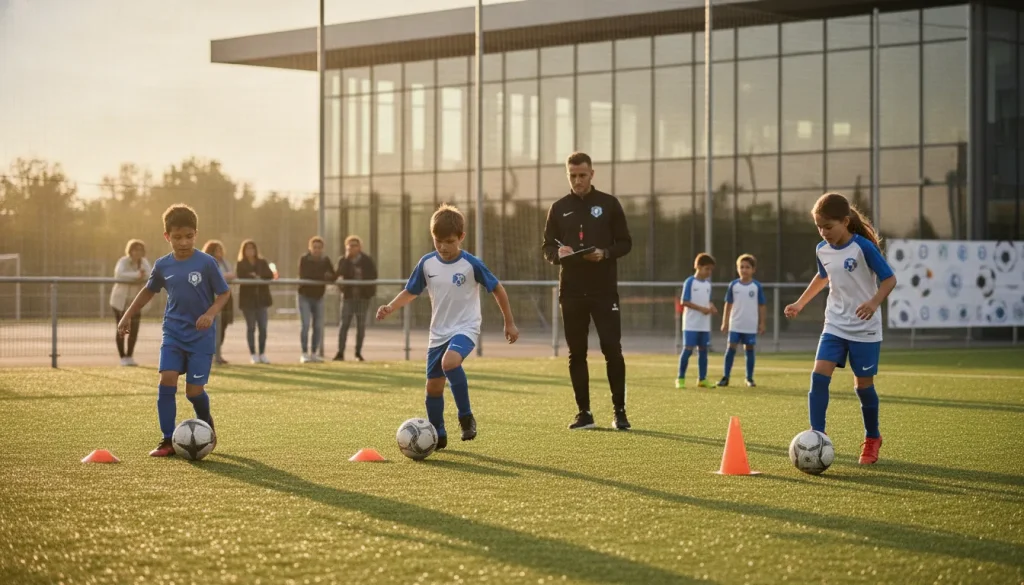
Choosing a soccer club involves more than finding a team with an open roster spot. Youth soccer tryouts can give families a first look at how a club trains, communicates, and treats players. Coaches may use drills and game-like activities to observe skills, decision-making, teamwork, and response to feedback. Families can also use the experience to consider whether the program fits their child’s goals and their household’s schedule, budget, and travel needs. In Houston, NEXO pairs competitive player development with a positive club culture and convenient programs. Here’s what to expect at tryouts and what to consider when deciding what comes next.
Key Takeaways
- Expect a well-rounded evaluation
: Coaches may consider ball skills, decision-making, teamwork, effort, and how players respond to instruction.
- Prepare for a confident tryout day
: Check the schedule and equipment, arrive with time to warm up, and focus on effort, communication, and the next play.
- Choose a club that fits your player and family
: Compare coaching, development opportunities, costs, schedules, travel, and team culture. Houston families can explore NEXO FC, camps, open houses, and NEXO Tots.
How Do Youth Soccer Tryouts Work?
Youth soccer tryouts give coaches a chance to see how players handle the ball, make decisions, and work with teammates. The format can vary by age group, competition level, and club, so review the details before you go. Knowing what to expect can help your child arrive prepared and focus on playing.
How age, competition level, roster needs, and club format shape evaluations
Coaches consider a player’s age and experience when deciding what to observe. For younger players, they may focus on basic ball control, listening, and comfort joining activities. At a competitive level, they may also assess decision-making, awareness of space, and how a player responds to pressure.
Roster needs can shape the process, too. Coaches may be looking for players in particular positions or aiming to balance a team, so selection can reflect the group’s needs as well as individual skills. Tryout formats vary: a session might include drills, small-sided games, or position-specific activities. Coaches look at the whole player, including effort, communication, and response to mistakes, rather than focusing only on goals or flashy moves. This guide to how soccer tryouts work explains what coaches may assess.
How to register, check in, follow schedules, and receive roster decisions
Start by checking the club’s tryout information for age groups, dates, location, equipment, and registration steps. Complete forms ahead of time, and save any confirmation details. If you have questions about eligibility or the schedule, contact the club before tryout day.
Plan to arrive with enough time to check in, find the field, and get ready. Follow the schedule and listen to instructions from coaches or event staff. Clubs share roster decisions and next steps through their chosen channels, such as email or a registration portal. Since timing varies, ask when families should expect an update. For details about NEXO programs and upcoming opportunities, visit the registration page.
Why clubs may evaluate players over multiple sessions
One session gives coaches a snapshot of a player. Nerves, fatigue, or an unfamiliar group can affect how a child settles into play. Multiple sessions give coaches more opportunities to observe players in different activities and alongside different teammates. They can see whether a skill, decision, or effort level appears consistently.
More than one evaluation can also reveal how a player listens, communicates, responds to feedback, and recovers after a mistake. Tryouts involve much more than technical ability, as Mississauga United FC’s guide describes. If a club offers several sessions, check whether players are expected to attend each one and how to report an absence. That way, your child can take part in the process as fully as possible.
What players can and can’t control
Players can control how they prepare, listen, communicate, and respond during tryouts. Encourage your child to arrive ready, follow directions, work hard, and involve teammates. If a pass goes astray or a play does not work out, the next action is a fresh opportunity. Coaches may notice how players use feedback and keep contributing, not just whether every attempt succeeds.
Players cannot control roster needs, the number of available spots, or how other athletes perform. Focusing on those factors can make tryouts feel more stressful, so set a simple goal around effort or communication instead. Soccer Wire’s advice for tryout season encourages players to focus on what they can control and treat the experience as a chance to learn. Parents can support that outlook with calm, pressure-free encouragement.
What Should Players Expect at Tryouts?
Tryout sessions vary by club, age group, and team. Players may rotate through skill activities before applying what they’ve practiced in small-sided games or a scrimmage. Coaches can observe how each player handles the ball, responds to instructions, and contributes with teammates.
A strong tryout performance doesn’t require a goal or a standout move. Players can focus on being prepared, staying engaged, and making thoughtful decisions. At NEXO FC, player development includes decision-making and tactical understanding alongside technical skills.
Follow coach instructions, warm up, and check equipment
Arrive with time to check in, get organized, and warm up. Bring the equipment listed by the club, which often includes cleats, shin guards, water, and a soccer ball. Check the tryout details for the required ball size, and label personal gear to help prevent mix-ups. AYSO’s tryout preparation guide recommends putting a player’s name and phone number on their ball.
Listen closely when coaches explain an activity, and ask a brief question if something isn’t clear. A dynamic warm-up with light movement can help players feel ready to participate. Stay attentive between drills too, since coaches may share instructions or feedback that players can apply in the next activity.
Practice ball control, dribbling, passing, receiving, and shooting
Tryouts may include drills that show how players handle the ball in different situations. Players might dribble through a set area, pass to a teammate, receive and turn, or shoot toward goal. Coaches can observe control, balance, accuracy, and how a player responds after each touch.
Before tryouts, practice close control, changes of direction, passing with both feet, receiving, and shooting for accuracy. Simple activities such as toe taps, passing through gates, or shooting at targets can help players feel more comfortable. Explore these soccer tryout drill ideas for practice inspiration, and keep activities age-appropriate with an emphasis on sound technique.
Play 1v1s, rondos, small-sided games, and scrimmages
Coaches may use game-like activities to see how players apply their skills while teammates and opponents are moving. A 1v1 can reveal how a player protects the ball, defends, or tries to get past an opponent. Rondos and small-sided games call for quick passing and awareness, while a scrimmage gives players room to show how they contribute in a fuller game.
Encourage players to look up, move to support teammates, and choose when to pass or dribble. A misplaced pass is part of the game; reset and get involved in the next play. Soccer Drive’s drill collection offers examples of 1v1 and small-sided activities.
Complete position-specific activities and fitness tests, if included
Some tryouts include activities related to particular roles, such as defending in space, supporting an attack, or finishing a chance. Coaches may also include fitness activities to observe movement and stamina. The format depends on the club and age group, so families can check the schedule or ask organizers what to expect.
Players don’t need to arrive committed to one position or rely on speed alone to make an impression. Be ready to try different roles, follow each activity’s instructions, and pay attention to what’s happening around you. If fitness testing is planned, regular age-appropriate activity is a better preparation than a demanding workout the day before. Soccer Coaching Pro’s tryout drill guide describes activities coaches may use to assess a range of skills.
What Do Coaches Evaluate?
At youth soccer tryouts, coaches look beyond goals and highlight moments. They assess how players handle the ball, read the game, work with teammates, and respond to instruction. The exact evaluation varies by club, age group, and team needs. A session might include technical drills, small-sided games, or a scrimmage, giving coaches a chance to see players in different situations.
Players don’t need to be the fastest or most experienced on the field to make a positive impression. A composed first touch, a well-timed run, a useful pass, or an encouraging word can all show good habits. Coaches also notice how players adapt when a drill changes or a play doesn’t go as planned. Tryouts offer a snapshot of a player’s current skills and approach, not a final measure of what they can become. NEXO’s player development approach also emphasizes decision-making, spatial awareness, and confident growth.
Assess first touch, ball control, passing, dribbling, and finishing
Coaches watch how players receive and control the ball, especially when space is tight or a defender is close. A clean first touch can help a player move into space, protect possession, or prepare a pass. They also look at passing accuracy, dribbling control, and finishing technique. These skills matter in game-like situations, not only in unopposed drills.
Players can show strong fundamentals by keeping their head up while dribbling, choosing a sensible pass, and staying balanced when shooting. Complicated tricks aren’t required. Consistent, purposeful actions often tell coaches more than one impressive touch. This tryout evaluation guide highlights clean touches and accurate passes under pressure.
Watch decision-making, spatial awareness, and tactical understanding
Technical skill is only part of playing well. Coaches also notice how players assess their options and choose what to do next. Does a player pass to a teammate in space, carry the ball when there’s room, or move it before pressure arrives? Spatial awareness helps players recognize open areas, nearby opponents, and passing lanes. Tactical understanding shows in choices such as when to support an attack, hold a position, or help defend.
Coaches don’t expect young players to make the perfect decision every time. They want to see players observe what’s happening, make a reasonable choice, and adjust as the play changes. Decision-making is considered alongside effort, skill, and teamwork, as described in this guide for players and parents.
Observe off-ball movement, positioning, and teammate awareness
Players influence the game even when they don’t have the ball. Coaches look for movement that gives a teammate a passing option, creates space, or helps the team stay organized. A player might move into an open lane, offer support behind the ball, or shift position to cover a teammate. These actions show awareness of the whole field, not just the player in possession.
Coaches may also watch whether players use width, track opponents, and adjust their positioning as the ball moves. There’s no need to run constantly; purposeful movement is more useful than motion without a clear reason. Players can show awareness by staying involved and making thoughtful choices throughout a play. This youth evaluation guide explains why off-ball positioning and spatial awareness matter.
Look for effort, communication, teamwork, and coachability
Coaches notice how players contribute to the group. Calling for the ball, sharing information, encouraging teammates, and offering support after a mistake can help a team work together. Effort matters, too, but it doesn’t mean chasing every ball without thinking. It means staying engaged, recovering after a play, and contributing on both sides of the game.
Coachability is another important quality. Players can listen to instructions, try a suggested adjustment, and stay attentive during a drill. No one expects a young player to know everything or communicate perfectly. Simple, useful actions can show a willingness to learn and work with others. This tryout guide offers examples of how players can support teammates during evaluation.
See how players handle feedback, mistakes, and setbacks
Tryouts can feel demanding, and mistakes are part of playing. Coaches pay attention to what a player does next. Do they stay involved, listen to feedback, and try again? After losing the ball, a player might work to recover, look for a better option on the next possession, or ask a question if instructions aren’t clear. These responses show a willingness to learn.
Coaches aren’t looking for a child who never feels frustrated or nervous. They want to see a player manage those feelings and bring their attention back to the game. Parents can help by reminding their child that one mistake doesn’t define a whole performance. This youth soccer resource also discusses motivation and reading situations as parts of a player’s overall evaluation.
Understand why one goal, sprint, or standout moment rarely defines an evaluation
A goal or fast run can catch a coach’s eye, but tryouts usually involve a wider set of observations. Coaches may watch players in different drills, roles, and game situations to understand how they contribute over time. A player who scores once but stops supporting teammates may show a narrower range of habits than someone who contributes steadily throughout the session.
Roster decisions can also depend on age group, team needs, and available places, factors a player can’t control. Encourage your child to focus on what they can control: effort, listening, teamwork, and the next play. This parent guide to soccer tryouts describes an evaluation as a chance to show current habits and learn, rather than a verdict on whether a child belongs in the game.
How Can Players Prepare for Tryouts?
Preparation can help players arrive ready to listen, participate, and show how they play. Focus on consistent practice and simple routines, rather than trying to change everything right before tryouts.
Practice game skills with both feet and under pressure
Encourage your child to practice passing, dribbling, receiving, and shooting with both feet. A few focused activities can help: pass against a wall, receive and turn in different directions, dribble around cones, or aim shots at specific targets. Once those movements feel familiar, add a decision, such as choosing which way to turn or where to pass.
Practicing with a teammate can make drills feel more like a game. Try short passing sequences or small-sided play, where players need to look up, find space, and make choices while others move around them. The AYSO tryout preparation guide recommends getting plenty of touches through passing, dribbling, shooting, and ball-control practice. Keep sessions positive and manageable, especially for younger players.
Build age-appropriate fitness safely; avoid last-minute overtraining
Players don’t need exhausting workouts to prepare. Regular practices, outdoor play, and age-appropriate activities that involve running, changing direction, and resting can help them feel ready to move. If your child already has a team schedule, use it as a guide rather than adding several demanding sessions.
In the days before tryouts, avoid trying to make up for missed training with long or intense workouts. Tired legs can make it harder to focus and enjoy the session. A light practice or easy movement is often a better choice close to tryout day. Let your child rest if they feel worn out, and check with a qualified health professional if an injury or illness could affect participation.
Confirm the format, schedule, and gear requirements
Before tryout day, check the club’s instructions for the date, location, arrival time, age group, and session format. Find out whether players should attend one session or several, and whether they need to bring a ball, forms, or other equipment. Contact the club ahead of time if anything is unclear.
Knowing what to expect can help players feel more settled when they arrive. Families attending a NEXO event can review the details on the registration page. The AYSO tryout preparation guide also recommends understanding the schedule and bringing a labeled ball when requested. Confirming the details the day before gives your family time to prepare without rushing.
Pack cleats, shin guards, water, and requested equipment
Pack the night before so there’s time to find anything missing. Start with soccer cleats, properly fitted shin guards, and a water bottle. Add a ball if requested, along with any equipment the club lists. Labeling a ball and bottle can make them easier to identify among similar gear.
Check the field surface and weather, too. Players may need different footwear for grass or turf, and a light layer can be useful if conditions change. Bring enough water for the session, and remind your child to drink during breaks. The AYSO preparation guide also highlights the importance of bringing water, especially for warm-weather tryouts. Keep the bag organized so your child can find what they need easily.
Prioritize sleep, hydration, food, and a dynamic warm-up
A good night’s sleep can help players feel alert and ready to listen. Offer a familiar meal or snack that gives your child energy, and encourage them to drink water throughout the day. Try to avoid introducing new foods or routines right before tryouts.
Arrive early enough to check in, use the restroom, and get settled. Before play begins, follow the coach’s warm-up or do light movement, such as jogging, side shuffles, leg swings, and gentle changes of direction. The warm-up should prepare the body for activity without leaving the player tired. The AYSO tryout advice also recommends rest, proper meals, and arriving early as helpful parts of preparation.
Set effort goals and reset after mistakes
Players can’t control every part of a tryout, including how many roster spots are available. They can choose goals for their own effort. A player might aim to communicate with teammates, work to recover the ball, listen carefully, or try a skill with confidence. These simple goals offer something useful to focus on throughout the session.
Mistakes happen in soccer. One missed pass or shot doesn’t define a player’s tryout. Encourage your child to take a breath, get back into position, and rejoin the play. Coaches may consider skills alongside awareness, work rate, communication, and how a player responds to feedback. FC National’s guide to soccer tryouts describes these qualities as part of a broader evaluation. Staying involved after a mistake is a positive response players can practice.
What Mistakes Should Players Avoid?
Tryouts can feel like a short window to prove yourself, but coaches often pay attention to how you play throughout the session, not just one standout moment. Stay engaged, make thoughtful choices, and show that you can work with others and respond to feedback.
You do not need to play perfectly. A missed shot or misplaced pass happens; reset and focus on the next play. Your effort, communication, and preparation are all within your control. NEXO FC’s player development approach emphasizes decision-making, spatial awareness, and confident growth, skills players can demonstrate through everyday choices on the field.
Don’t play alone or force difficult plays
Trying to do everything yourself can make it harder for your team to build an attack. Before dribbling into traffic or taking a difficult shot, look up and consider your options. A simple pass, a supporting run, or keeping possession may help the team move forward.
Focus on your role in each moment. If you lose the ball, work to recover it. When a teammate has possession, find space and offer support. Competitive Edge’s tryout advice encourages players to concentrate on their job one moment at a time. That mindset can help you make clearer decisions and show coaches how you contribute beyond individual plays.
Communicate, include teammates, and manage frustration
Use clear, helpful communication. Call for the ball, let a teammate know when they have time, or share information such as “man on.” You can also communicate through your movement by creating a passing option or tracking back to support the group.
Look for chances to involve teammates rather than holding the ball until options disappear. Coaches may notice awareness, work rate, communication, and how a player responds after a mistake, not just goals or skill moves. FC National’s tryout guide explains why coaches assess the whole player. If you feel frustrated, take a breath, reset, and rejoin the play. Staying composed helps you remain focused when the game gets challenging.
Don’t focus only on goals, speed, or size
Scoring is exciting, but one goal rarely tells the full story of a player. Coaches may also notice how you receive the ball, find space, make decisions, defend, and connect with teammates. A smart pass or well-timed run can help the team just as much as a shot on goal.
Players develop at different rates, and height or speed alone does not determine how someone contributes. Show your strengths while continuing to work on areas you want to improve. Mississauga United FC’s guide to tryout evaluations describes how coaches consider technical ability, decision-making, effort, coachability, and teamwork together. Focus on playing a well-rounded game instead of chasing a single highlight.
Follow instructions and adjust to feedback
Listen when coaches explain a drill, assign teams, or offer a correction. If you are unsure what to do, ask a quick, respectful question. Then make a clear effort to follow the instruction. Listening closely helps you stay involved and shows how you respond to coaching.
Feedback is part of learning. If a coach asks you to check your shoulder before receiving the ball or move into a different position, try that adjustment in the next play. Mt. Diablo Mustang Soccer’s guidance highlights the value of being receptive to feedback and bringing a positive attitude. You do not have to get every adjustment right immediately. Stay open, give it a try, and keep working.
Arrive on time, wear suitable gear, and avoid comparisons
Give yourself enough time to check in, find the field, and get ready without rushing. Before leaving home, confirm the schedule and any equipment requirements. Pack cleats, shin guards, soccer socks, water, and anything else the club requests. The right gear helps you take part safely and focus on playing.
Try not to measure your performance against another player’s speed, size, or skill level. Keep your attention on your own effort and decisions. AYSO’s tryout preparation guidance recommends arriving early and bringing appropriate soccer gear. A calm, organized start can help you feel ready to take part and make the most of your evaluation.
How Can Parents Support Their Child at Tryouts?
Tryouts can feel like a big moment for young players. Parents can make the experience easier by helping with practical details, keeping expectations balanced, and giving their child space to take part independently. The goal is to support their effort and well-being, whatever the roster decision.
Acknowledge nerves and listen to your child’s feelings
A new team, unfamiliar coaches, and other players can make tryouts feel intimidating. Let your child know that nerves are common, then give them time to explain what’s on their mind. You don’t need to solve every worry right away. A simple question like “What part are you thinking about most?” can help you understand what kind of support they want.
If your child feels anxious, try a few slow breaths together before leaving home or while waiting to check in. Reassure them that they can listen, work hard, and take the session one moment at a time. Feeling nervous doesn’t mean they aren’t ready.
Encourage breathing, focus, and effort over selection
Help your child focus on what they can control: listening to instructions, making an effort, communicating, and responding to the game. Roster decisions depend on several factors, including a club’s needs, so they aren’t a complete measure of a player’s potential.
A simple reset can help after a mistake: take a breath, look up, and get ready for the next play. Before tryouts, agree on one or two effort goals, such as supporting a teammate or trying a skill under pressure. Competitive Edge’s tryout advice also encourages players to stay focused on the play in front of them.
Keep expectations realistic and encouragement pressure-free
Talk about tryouts as a chance to learn about a team and show how your child plays, not as a test of their worth. Encourage them to do their best while making it clear that you’ll be proud of their effort, whatever the roster outcome.
Avoid promising a spot or guessing what coaches will decide. Instead, offer support without adding pressure: “I’m glad you’re giving it a try” or “Let’s see what you learn today.” If your child brings up selection, listen and answer honestly. Guidance for families preparing for tryouts also recommends keeping expectations balanced and focusing on growth.
Organize registration, transportation, rest, meals, and gear
Take care of practical details ahead of time so your player can focus on the session. Confirm registration, check the schedule and location, and plan transportation with enough time for check-in and a calm warm-up. If you’re unsure what to bring, contact the club before tryout day.
Pack cleats, shin guards, water, and any equipment the club requests. Plan a familiar meal or snack and encourage a good night’s sleep, especially if the session is early. A quick gear check the evening before can help prevent a rushed start. Houston families interested in NEXO can find registration and open house information on the club’s website.
Let players listen to coaches and speak for themselves
Give your child the chance to hear instructions directly from coaches and ask questions when appropriate. This helps them build confidence and understand what’s expected on the field. If a coach speaks to your child, let them respond first rather than stepping in right away.
You can help younger players prepare by practicing a simple introduction, such as sharing their name and usual position. They don’t need a polished speech; a clear, friendly response is enough. If you have a question about logistics or program details, save it for the right time and speak with a coach or club representative yourself. This balance gives players room to take ownership while keeping you involved.
Ask coaches about evaluations, feedback, schedules, fees, and next steps
It’s reasonable to ask how the evaluation process works and when families can expect to hear about decisions. You may also want to confirm the season schedule, training location, fees, playing opportunities, and what happens after a roster offer. Write down your questions in advance so you can cover the essentials without putting your child on the spot.
Choose an appropriate time to ask, such as a scheduled parent meeting or a message to the club contact. Keep questions clear and focused on understanding the program and supporting your player. Positive Coaching Alliance’s communication guidance offers helpful reminders about listening and raising concerns constructively.
Choose a respectful time to talk; avoid sideline coaching and criticism
During tryouts, let coaches lead the session and avoid calling instructions from the sidelines. Your child may already be processing feedback and trying to follow the activity. Extra directions from the viewing area can make it harder for them to stay focused.
If something concerns you, wait until the session is over and choose a calm, private time to speak with the appropriate club contact. Keep the conversation respectful and specific. Your child may want quiet on the ride home rather than an immediate review of every play. A supportive presence can be as simple as a smile, a ride home, and a reminder that you’re glad they gave it a try.
Ask open-ended questions afterward and give children time to process
After tryouts, start with questions that let your child lead the conversation: “What did you enjoy?” “What felt challenging?” or “Was there something you’d like to work on?” Listen to their answers before offering your own view. They may want to talk right away, or they may need time to unwind first.
Avoid judging their performance or comparing them with other players. If they want feedback, help them identify one thing they did well and one area to practice. When roster decisions arrive, give your child room to react before discussing options. If they want more information, contact the club to ask about feedback and next steps.
What Should Families Consider After Tryouts?
Ask for feedback and clarify roster decisions
Give your child time to process the tryout before discussing the outcome. Ask what they enjoyed, what felt challenging, and whether they want feedback from the club. If the roster decision or timeline is unclear, contact the coach or club representative at a respectful time to ask about next steps and any additional evaluations.
Keep feedback focused on specific skills or habits your child can work on. A coach may be able to share which qualities stood out and where the player can keep growing. This parent’s guide to soccer tryouts recommends giving players space to reflect and inviting them to ask for feedback. Use the conversation to plan what comes next, rather than treating one decision as a verdict on your child’s potential.
Consider coaching style, development, and playing opportunities
A roster offer is only one part of the decision. Ask how coaches teach skills and tactics, give feedback, and help players learn from mistakes. Consider whether their communication style suits your child and whether they value teamwork, effort, and coachability alongside technical ability. Coaches often look at awareness, work rate, and communication, not just goals or standout moves.
Ask how players get opportunities to practice, play, and develop over the season. You might also ask how the team handles substitutions, position changes, and individual goals. Houston families can learn more about NEXO’s approach through its NEXO FC competitive program. Look for a coaching environment that gives your child room to improve and helps them feel included.
Compare costs, schedules, travel, and family logistics
Before accepting a spot, request a clear breakdown of costs. Ask about registration, uniforms, tournament fees, travel, and any additional training expenses. Review the full schedule, including practices, games, camps, and expected travel, so you can decide whether the commitment works for your family.
Consider drive times, school demands, other activities, and the rest your child will need between sessions. Consistent training is easier when the schedule and travel feel manageable. Ask which costs are fixed and whether payment options are available. Keep the tryout result in perspective, too: an evaluation reflects a player’s skills at one point in time. It does not define their worth or determine how far they can go in soccer.
Choose a positive environment that supports confidence and long-term growth
Pay attention to how coaches and players treat one another during tryouts and follow-up conversations. A supportive club encourages effort, learning, and respect, while giving players room to ask questions and recover from mistakes. Ask how coaches respond when a player struggles, communicate with families, and help teammates work together.
Your child’s experience matters. Ask how they felt during the session and whether they can picture learning and enjoying soccer with the team. This guide to what coaches look for at tryouts points to attitude, willingness to learn, and support for teammates as important parts of player development. Choose an environment where your child can build confidence over time, not just one that promises quick results.
Explore Youth Soccer Development in Houston with NEXO
Learn about competitive training and player development at NEXO FC
When you’re comparing competitive soccer programs in Houston, look beyond the team name. Ask how coaches help players improve, make decisions, and feel confident on the field. NEXO FC’s training emphasizes decision-making, spatial awareness, and tactical clarity alongside technical skills, so players learn to understand the game as well as play it.
The club also aims to pair high-level development with affordability, convenience, and a positive culture. Those details matter when choosing a program your family can feel good about over time. Visit NEXO FC’s program page to learn about competitive training and consider how its approach fits your player’s goals.
Visit an open house or camp to experience NEXO’s approach
A website can explain a club’s philosophy, but visiting in person can help your family picture what participation might feel like. At an open house, you can learn more about the program, ask questions, and get a sense of the club’s environment. Check for upcoming opportunities and register for an NEXO open house.
A camp offers another way for young players to experience soccer in a structured setting. It can also give them a chance to work on their game and meet other players. Before signing up, review the details and make sure the schedule works for your family. Explore NEXO Soccer Camps for information about seasonal offerings.
Explore age-appropriate programs, including NEXO Tots for ages 2–5
A child’s first soccer program should feel welcoming and suit their stage of development. NEXO Tots is designed for children ages 2–5, introducing them to soccer through age-appropriate activities. Early experiences can help little players get comfortable moving, interacting with a ball, and taking part in a group activity.
You don’t need to know whether your child will play competitively in the future to explore a program. At this age, enjoying movement and becoming familiar with the game are meaningful first steps. Take a look at NEXO Tots to learn more about the program and decide whether it might suit your child.
Consider development, affordability, and convenience when choosing a club
A club should support your child’s growth while fitting your family’s day-to-day life. As you compare programs, ask how coaches teach, what players are expected to work on, and how the club encourages a respectful team culture. A supportive setting can help young athletes feel comfortable learning, communicating, and responding to coaching.
Then review practical details: program fees, practice locations, schedules, and travel commitments. These factors can shape how manageable soccer feels throughout the season. If you’re considering NEXO, use an open house to ask questions about the program and see whether its development approach and logistics work for your family.
Related Articles
- What Coaches Look for at Soccer Tryouts
- Parent Guide: How Soccer Tryouts Work
- Tips to Help Players Deal with Stress and Emotions of Tryout Season
- Soccer Tryout Preparation Guide
- Decoding the Clipboard: What Coaches Look for at Youth Soccer Tryouts
Frequently Asked Questions
How old should a child be to try out for a competitive soccer team?
Age requirements vary by club and team. Check the club’s tryout information for eligible age groups and any experience requirements. For younger children, an introductory program such as NEXO Tots for ages 2–5 may be a better fit than competitive tryouts.
What should my child bring to soccer tryouts?
Pack cleats suited to the playing surface, shin guards, soccer socks, and water. Bring a ball or any additional gear if the club requests it. Confirm the equipment list before tryout day, and label personal items.
What if my child misses one of the tryout sessions?
Contact the club as soon as possible to ask whether another evaluation is available and how an absence affects the process. Clubs set their own attendance expectations, so it’s best not to assume a missed session can be made up.
How can I tell whether a soccer club is right for my family?
Ask about coaching, player development, playing opportunities, fees, schedules, and travel. It can also help to visit a practice, camp, or open house to see how players and coaches interact and whether the environment feels like a good fit.
What can Houston families do if their child isn’t ready for competitive tryouts?
A camp or age-appropriate introductory program can offer a structured way to learn and enjoy soccer. Families can explore NEXO Soccer Camps or NEXO Tots, designed for children ages 2–5, and check NEXO’s registration page for open house opportunities.
Categories
NEXO FC
Find your player's next step
Four ways to play at NEXO FC, all led by the same coaching staff.